How to make merch for YouTube: A creator’s guide to branded swag
- Home
- Branding
- Merchandise design
- How to make merch for YouTube: A creator's guide to branded swag
YouTube creators offer custom merchandise to build their community, boost their brand, and add an additional revenue stream. Whether you’re just hitting 10,000 subscribers or you’ve built a channel with millions of views, merchandise lets you diversify revenue and deepen community engagement.
You don’t need a massive audience to launch successful merch. With the right product selection, design, and fulfillment, creators at any level can build merchandise programs that resonate with their communities and generate meaningful revenue.
Why YouTube creators should sell merchandise
Custom merchandise is one of the most effective tools YouTube creators can use to diversify income, strengthen audience relationships, and build a recognizable off-platform brand.
Revenue diversification
YouTube ad revenue fluctuates based on seasonality, advertiser budgets, and algorithm changes. For example, YouTube generated $8.1 billion in ad revenue in Q1 2024 compared to $10.5 billion in Q4 2024. You’ve probably noticed that some months are better than others, and some are much worse.
Merchandise is a more predictable, direct-to-fan revenue stream. Creators can expect average profit margins between 20% and 40% for custom merch, depending on pricing and fulfillment costs.
Stronger community engagement and loyalty
Physical products create deep emotional connections with fans. Research shows that around 50% of fans purchase branded clothing or shoes tied to creators, entertainment brands, or communities.
When viewers wear your merch, they:
- Promote your channel organically
- Spark conversations with new audiences
- Feel more connected to your brand
These real-world touchpoints extend engagement beyond likes, comments, and views.
Build an iconic creator brand
Merchandise turns digital followers into visible brand ambassadors. This aligns with YouTube’s role as a discovery and shopping platform. Google reports that over 40% of global shoppers have purchased products they discovered on YouTube.
Your brand gains exposure through:
- Social media photos
- Public appearances
- Everyday wear and use
Over time, this positions you as more than a content creator and helps establish a lifestyle brand your audience identifies with.
No entry barrier
While YouTube’s built-in merch and shopping features require 10,000 or more subscribers, creators can sell merch using standalone ecommerce stores or online marketplaces at any level.
Every year, more creators are expanding their brand into merchandise. Industry forecasts estimate that creator merchandise revenue reached roughly $450 million in 2024, increasing several times since 2021.
How to create YouTube merch
Whether you are a designer or you plan to hire help, the ecosystem of product selection, customization, and fulfillment tools enables creators of all skill sets to add custom merch to their channel.
Step 1: Pick some products
Product selection drives everything else in your merch program. Core categories include custom apparel like t‑shirts, hoodies, and hats; accessories such as bags and phone cases; and promotional products including stickers, posters, and pins. Your audience demographics and content niche should inform your product choices.
Start with 2 – 3 items. You can always expand based on what sells.
Step 2: Create designs and branding
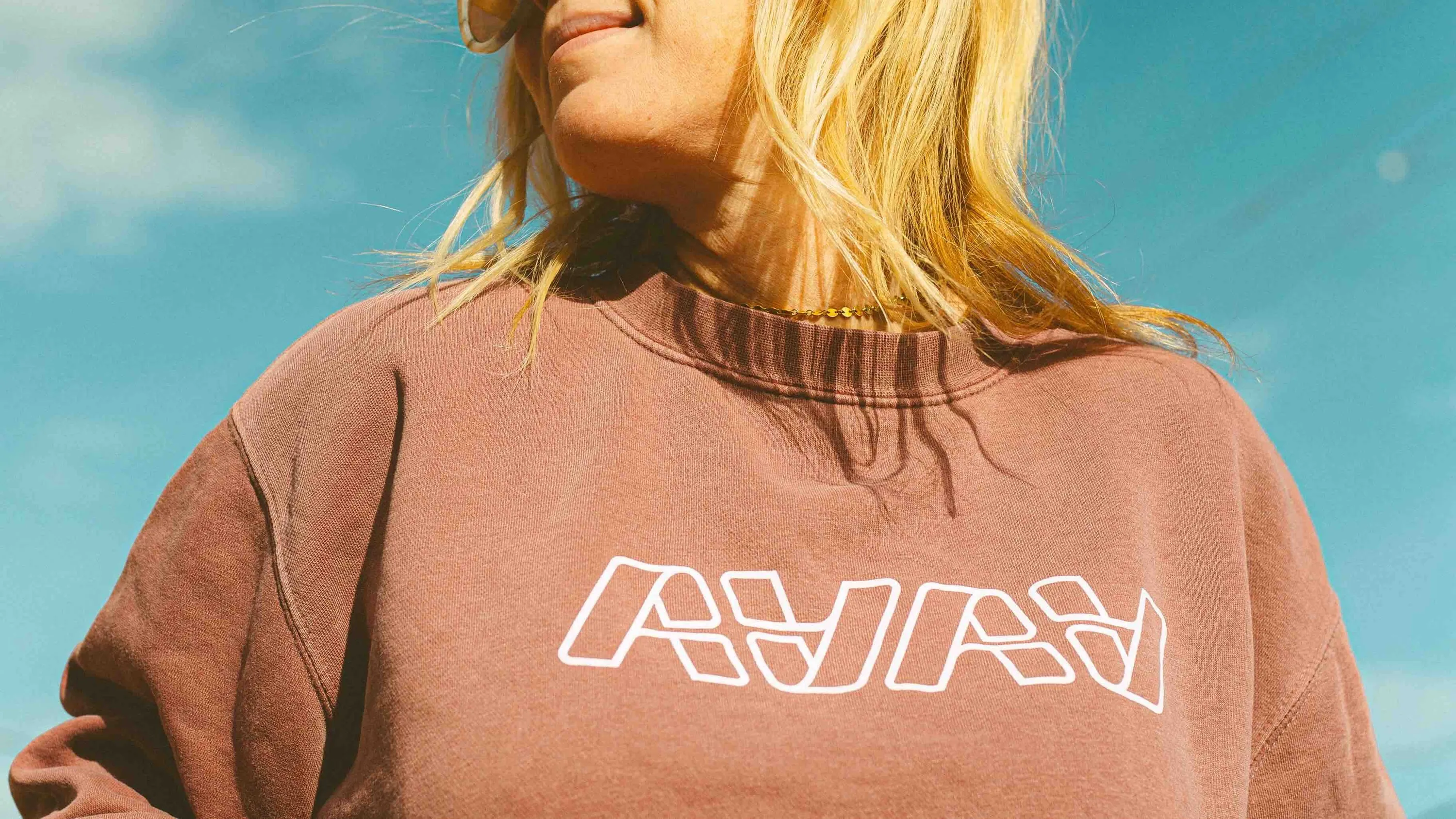
Your channel branding and personality should inform your design choices. Inside jokes, catchphrases, and visual elements that fans recognize make the strongest merch. Your designs should feel authentic to your content, so viewers will want to wear or display them.
If you’re artistic and tech-savvy, you can use tools like Adobe Illustrator or Canva to create your own designs.
Otherwise, you can hire a designer. Fiverr, Upwork, or other freelance marketplaces are fine for commissioning simple graphics, but work quality can be unpredictable. Since your merch will be a physical embodiment of your brand, you should invest in professional designers.
Whichever route you take, you want to feel confident about your design by asking yourself some critical questions.
- Does this design look cheap or high-quality?
- Does this design reflect my brand?
- Will this design resonate with my audience?
- Am I satisfied with a simple logo application, or do I want 100% custom products?
If you’ve got the budget, a branding and product customization partner is your best choice.
Step 3: Choose your production and fulfillment method
Production options fall into three main categories, each with advantages and trade-offs.
| Method | Startup Cost | Customization | Quality Control | Best For |
| Print-on-demand | Low | Limited | Variable | Testing concepts, simple products |
| Standard customization service | Medium | Moderate | Medium – High | Planned launches, bulk orders, simple customization |
| Full-service partner | Medium – High | Complete | High | Professional brand building, 100% customization, branding/design assistance |
Print-on-demand (POD)
Print-on-demand services manufacture products after customers place orders. Companies like Printful, Printify, and Redbubble handle everything from printing to shipping with zero inventory on your end.
Advantages:
| Disadvantages:
|
Print-on-demand works best for testing merch viability with small audiences, channels just starting with products, or creators wanting minimal time investment in their merch operations.
Standard customization service
These include most services you find when you search for “custom apparel” or something similar. They offer bulk orders of simple customization, like embroidery, sublimation, or screen printing. You can usually visualize the end product because customization options are limited. You send your design, order, receive, and either store inventory yourself or work with fulfillment partners.
Advantages:
| Disadvantages:
|
Bulk ordering fits established creators planning coordinated launches, those building serious long-term merch programs, or channels where audience engagement signals strong demand.
Full-service branding and production partners
Full-service partners guide YouTubers through design, production, and fulfillment, handling the entire merch lifecycle from concept to delivery.
Advantages:
| Disadvantages:
|
Full-service partners are for creators who view merch as a brand extension, those wanting professional quality without operational complexity, channels planning regular releases, or anyone overwhelmed by coordinating design, production, and logistics separately.
Set up a merch store for your audience
Sales channel selection determines where fans discover and purchase your products. Multiple options exist, each with different requirements and advantages.
YouTube Merch Shelf
The Merch Shelf appears below your videos, giving maximum visibility to existing viewers. Setup requires YouTube Partner Program eligibility and typically 10,000+ subscribers (or lower in some regions). You link an approved merch platform or Shopify store through YouTube Studio.
Standalone eCommerce store
Platforms like Shopify, WooCommerce, or custom solutions let you control branding, customer experience, and business operations. You manage everything from product photography to checkout flow and customer service.
Standalone stores require more marketing effort to drive traffic since fans must leave YouTube to visit. The trade-off comes in flexibility, customer data ownership, and freedom from platform fees or restrictions. Full-service partners can create custom swag stores that handle ordering, fulfillment, and inventory.
Marketplace platforms
Etsy, Redbubble, Spreadshop, and Teespring offer built-in audiences actively shopping for creator merchandise. Setup takes minutes, and these platforms handle payment processing and often fulfillment.
The convenience comes with reduced control over branding, higher platform fees that cut into margins, and competition with thousands of other creators in the same marketplace.
Social commerce
Instagram Shopping and Facebook Shops meet audiences where they already engage with your content. The setup integrates with your existing social profiles, and fans can purchase without leaving the app.
Functionality is limited compared to dedicated stores, but younger audiences often prefer purchasing through these channels. Social commerce works best as a supplementary option rather than your primary merch platform.
Promote your merch to drive sales
Even exceptional products need promotion. Your existing content and audience give you built-in marketing channels most traditional brands would pay dearly to access.
In-video mentions
- Natural integration into your regular content outperforms dedicated “buy my merch” calls-to-action.
- Wear your products on camera so viewers see them in use.
- Merch-reveal videos work well for major launches, showing designs, explaining concepts, and building excitement.
- End-screen CTAs linking to your store capture viewers at their most engaged moment. Keep these brief and conversational rather than salesy.
- Promote through video descriptions and pinned comments.
Include store links in every video description. Use consistent formatting so returning viewers know exactly where to look. Pin merch announcements in the comments section, especially during launch periods or limited releases.
Community tab posts
YouTube’s Community tab lets you share design reveals, behind-the-scenes production photos, and launch countdowns without publishing full videos. Polls asking about audience preferences build anticipation and gather valuable feedback on what designs resonate most.
Cross-platform promotion
Instagram stories showing merch in everyday use feel authentic and relatable. Twitter announcements reach your most engaged superfans who check multiple platforms. TikTok content featuring products taps into discovery algorithms and younger demographics.
Don’t just post product photos. Create content around your merch that entertains, informs, or resonates emotionally with your audience.
Launch strategies
Limited-edition drops create urgency that drives immediate purchases. When fans know designs won’t be available forever, hesitation decreases, and conversion rates climb.
Collaborations with other creators expand reach to new audiences while splitting promotion efforts. Bundle deals (buy 2 items, save 15%) increase average order value. Exclusive items reward superfans and create tiers within your product lineup. Early supporter discounts acknowledge your most loyal community members.
Launch timing
Use natural selling seasons and channel opportunities to get the most out of your merch program.
- Holiday launches align with gift-giving seasons: back-to-school in August, Black Friday in November, and winter holidays in December.
- Channel milestones (subscriber counts, anniversaries, video number landmarks) give natural reasons to celebrate with merch releases.
- Content-related events like series finales, special episodes, or major announcements provide built-in promotion hooks.
YouTube merch launch checklist
Before you launch
| After launch
|
Choose Anthem Branding as your full-service merch partner
Anthem Branding works with YouTube creators and influencers to develop authentic merchandise that reflects your channel’s unique identity. We collaborate to create a custom package that aligns with your goals. If you just want merch, you’re getting the best. If you want design and fulfillment assistance, we can manage the entire merchandise cycle.
What sets us apart:
- Expansive product catalog: We customize most hard and soft goods, including custom t‑shirts, Bluetooth speakers, fanny packs, and more.
- Exclusive products: We can commission limited factory runs from famous brands or 100% custom stitch-and-sew products that no one else can get.
- Premium brand partnerships: Access to 50+ brands, including Patagonia, Carhartt, Nike, Yeti, and Under Armour for co-branded merchandise.
- Complete customization: Custom embroidery (2D and 3D), screen printing, sublimation printing, patches, custom materials, and structural modifications.
- Full branding services: Merchandise design, brand identity development, and custom packaging design.
- Flexible fulfillment: Bulk shipping, dropshipping, or custom swag stores that eliminate inventory management.
- End-to-end support: Single partner from concept to delivery instead of coordinating multiple vendors.