Music branding agency for artists, bands, and record labels
- Home
- Industries
- Music
Music branding for artists, bands, and record labels
What we offer
Our approach to music branding
Anthem Branding connects creative strategy with physical production for music entities at every stage. Whether you need a brand identity built from scratch or a merchandise design partner who can deliver on a tour timeline, we handle both sides under one roof.
Brand identity and strategy
The visual and verbal foundation of your artist brand, including logos, color systems, typography, brand voice, and positioning framework. We build identity systems that translate across streaming profiles, press materials, and physical merchandise.
Merchandise and design production
Collection design, print method selection, and end-to-end production built around release cycles and tour schedules.
Learn more about music merchandise production.
Physical brand infrastructure
Tour merch, event activations, artist gifting programs, and digital swag stores that create a consistent experience for fans and industry contacts.
Who we serve
Music branding services
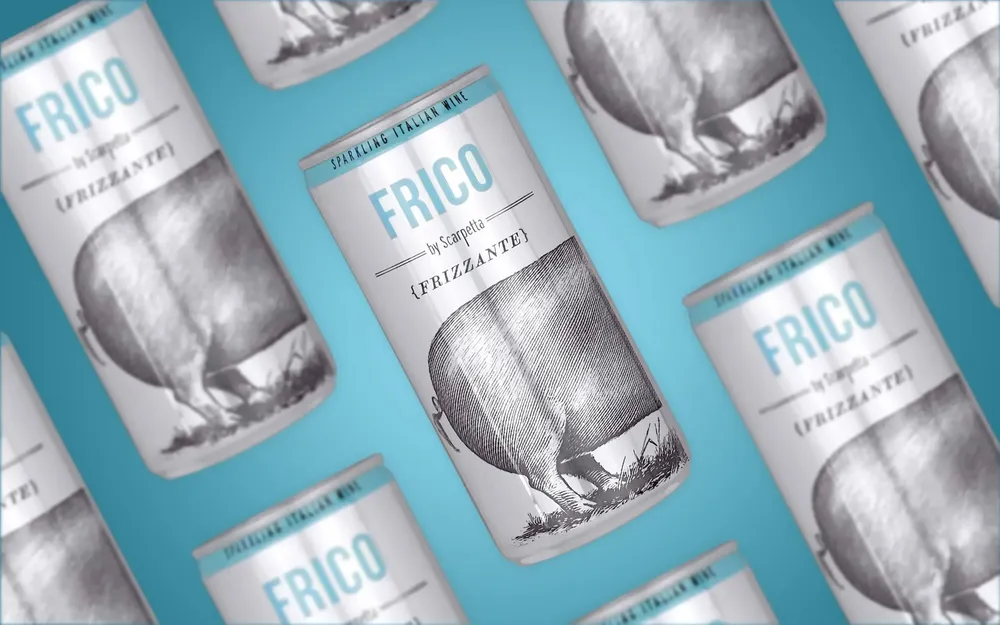
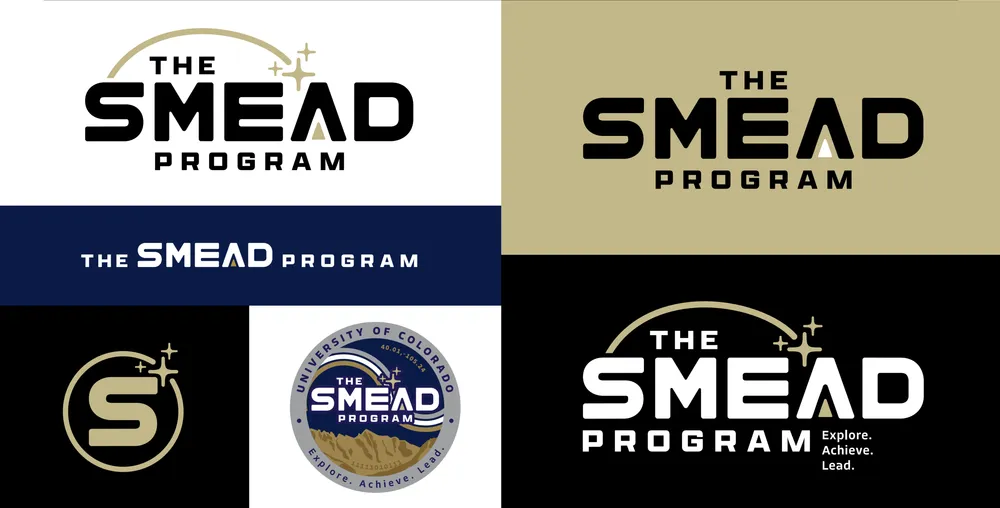
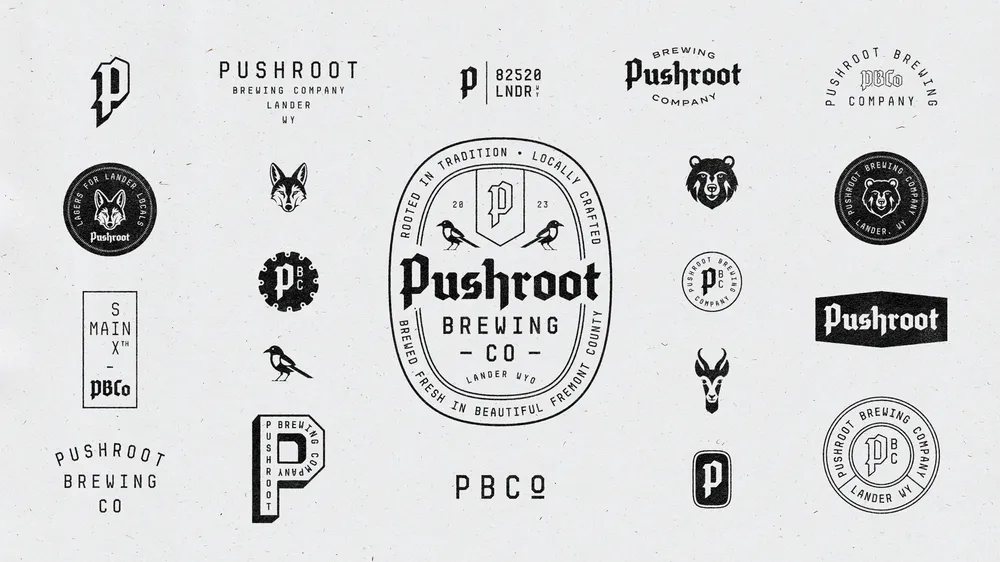
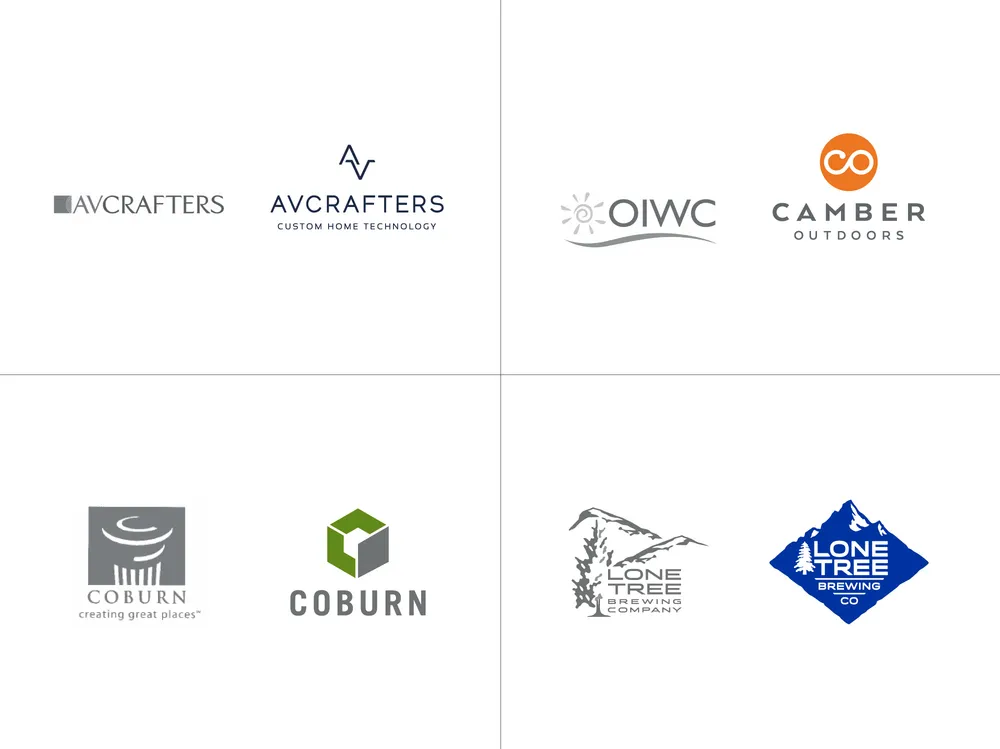
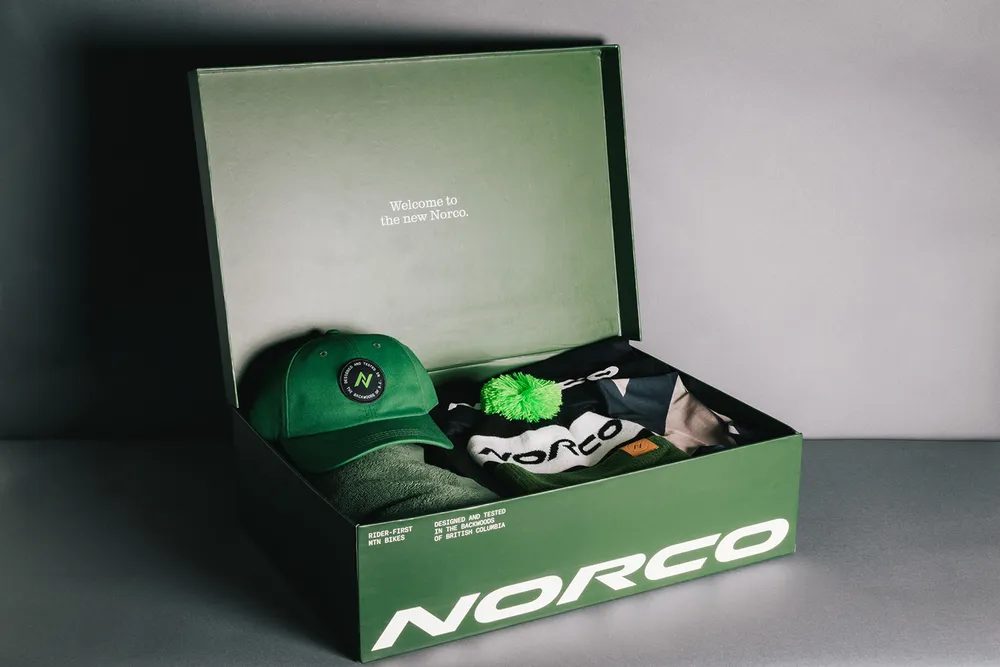
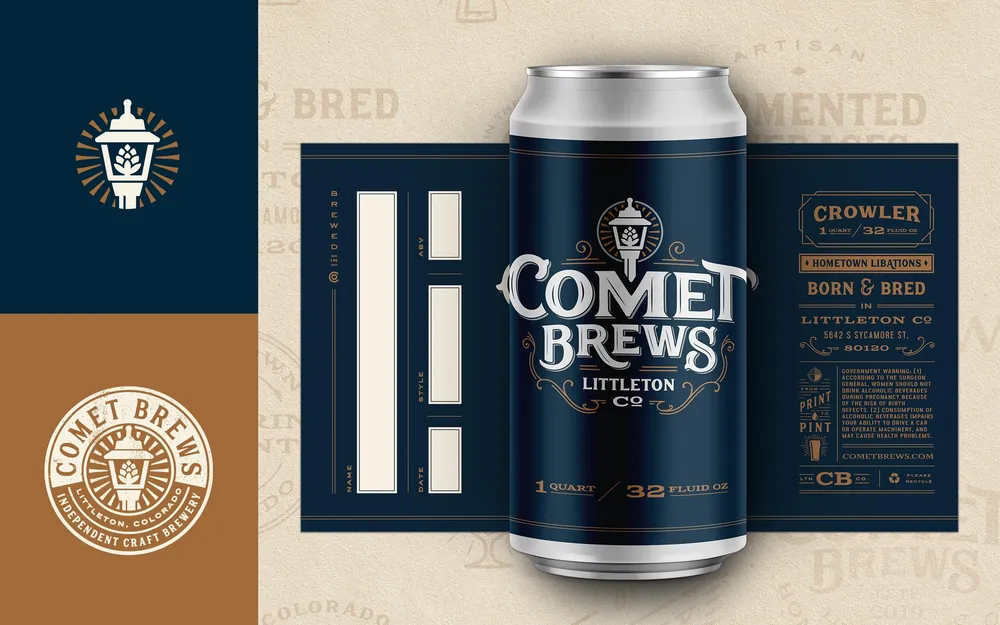
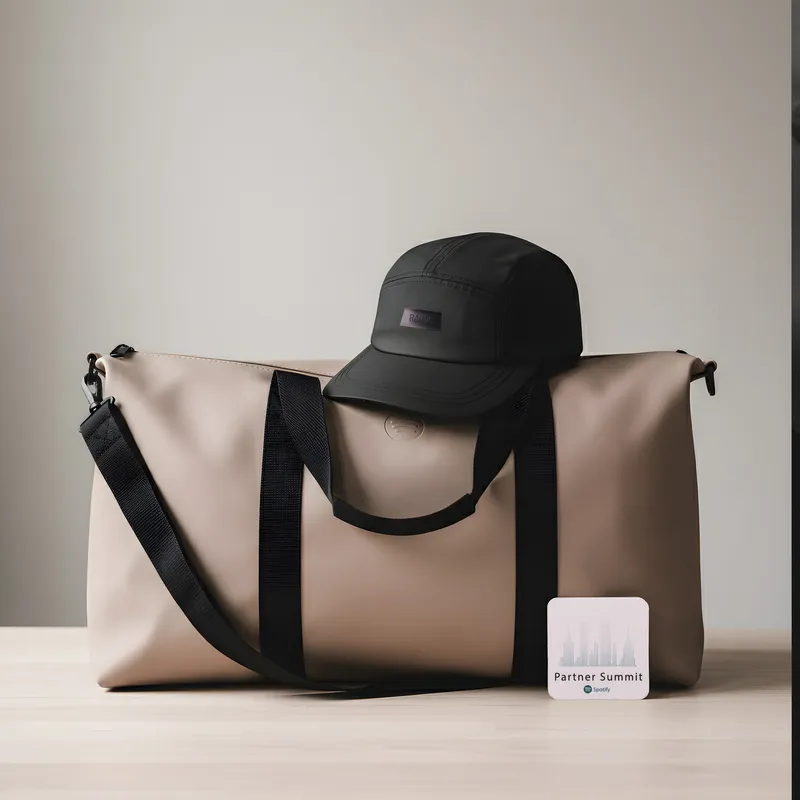
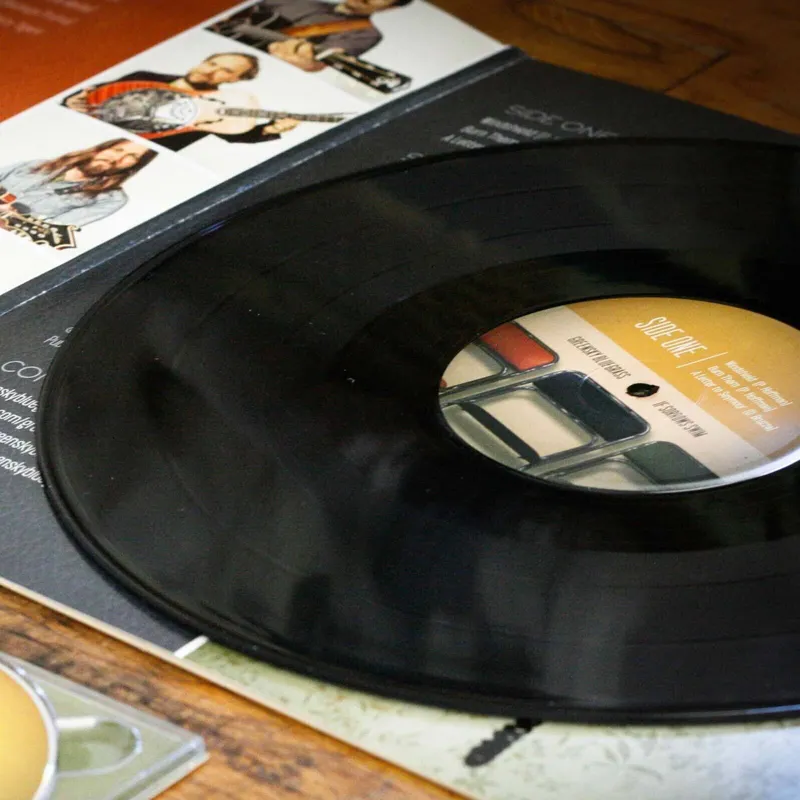
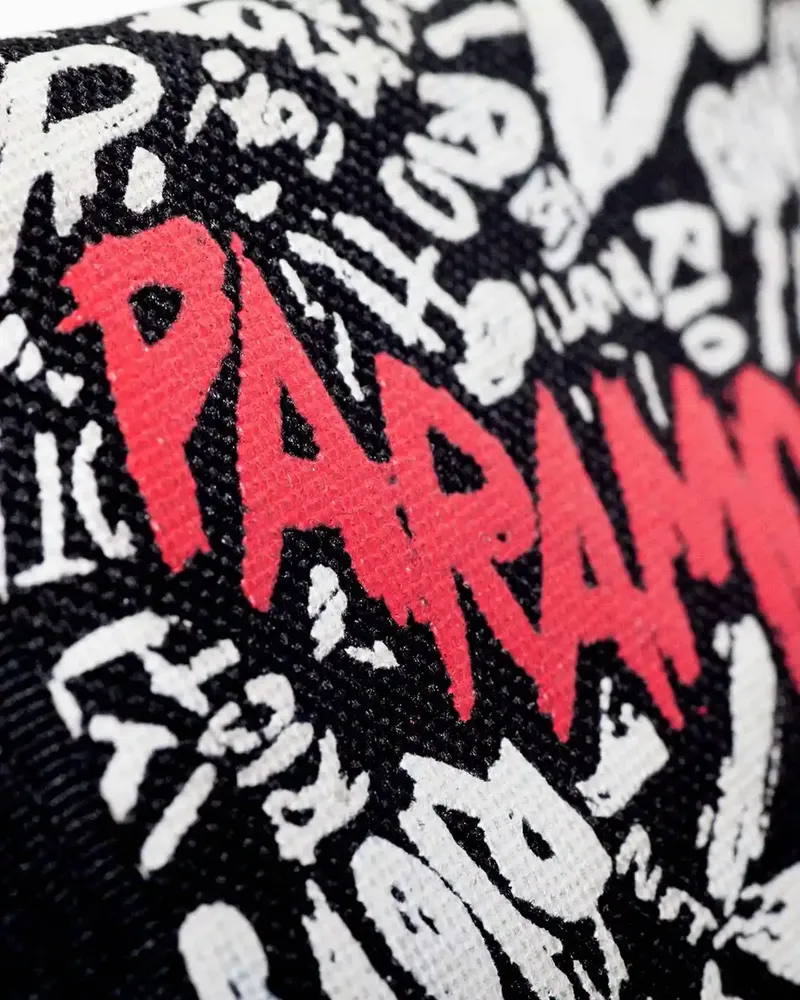
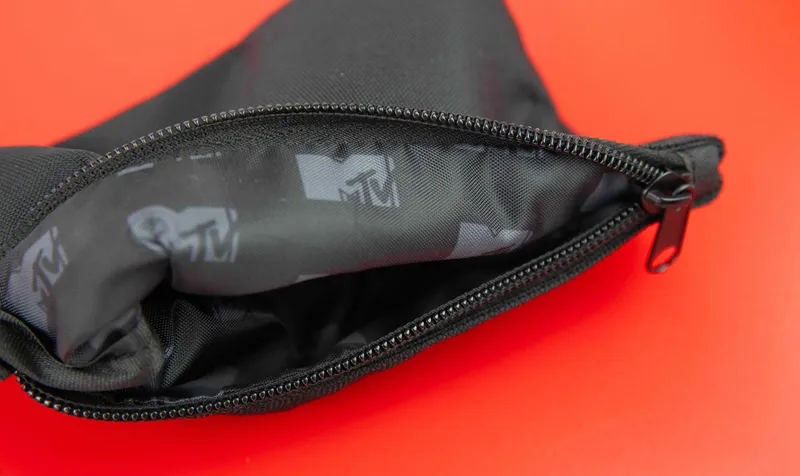
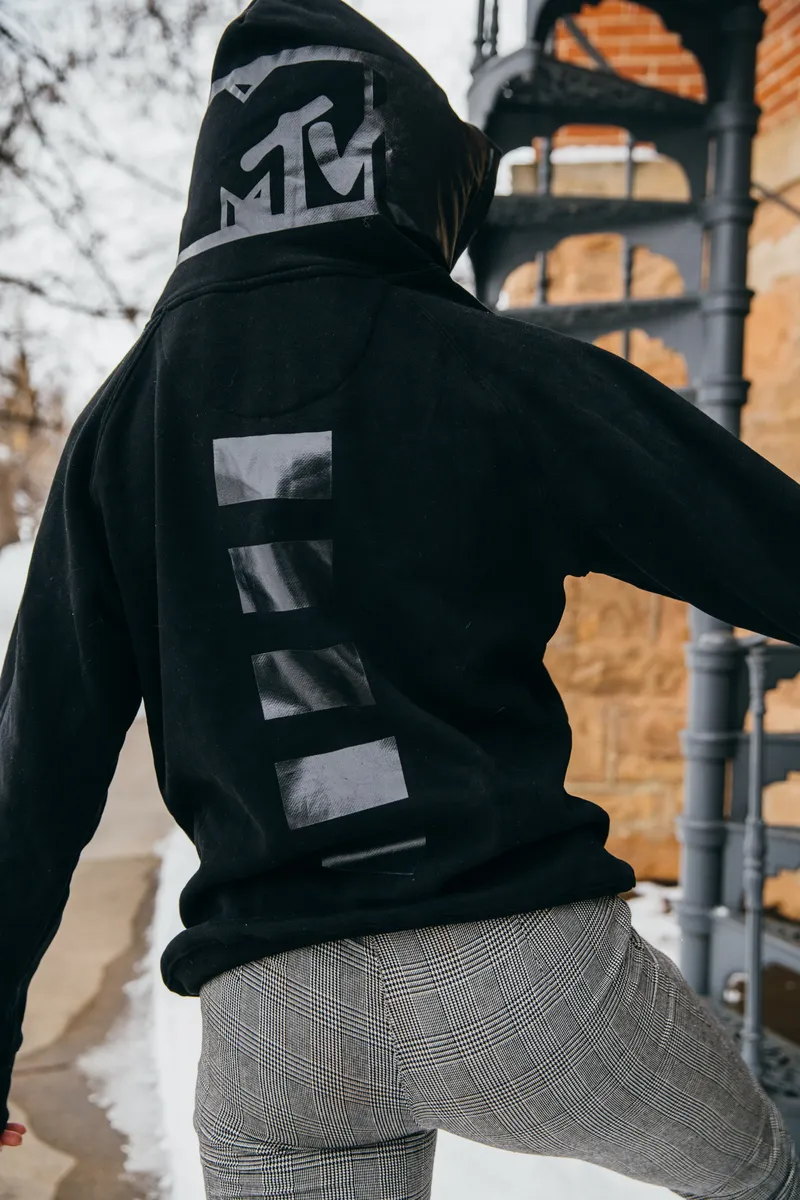
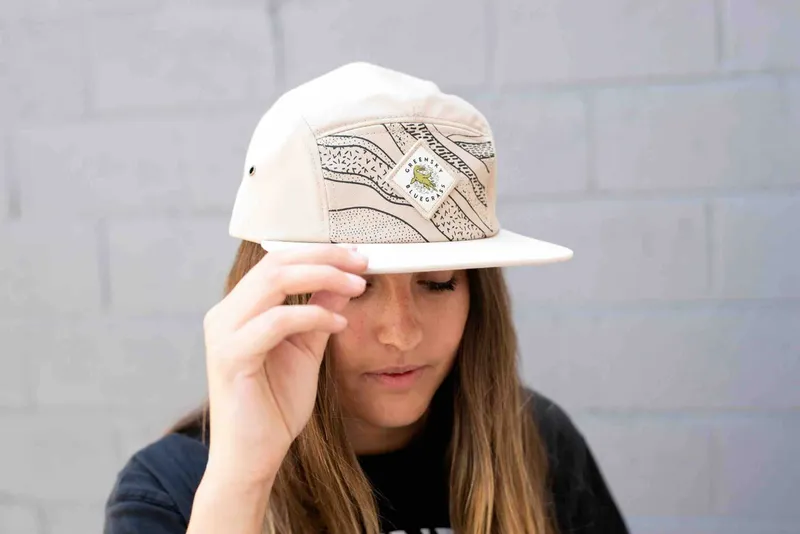
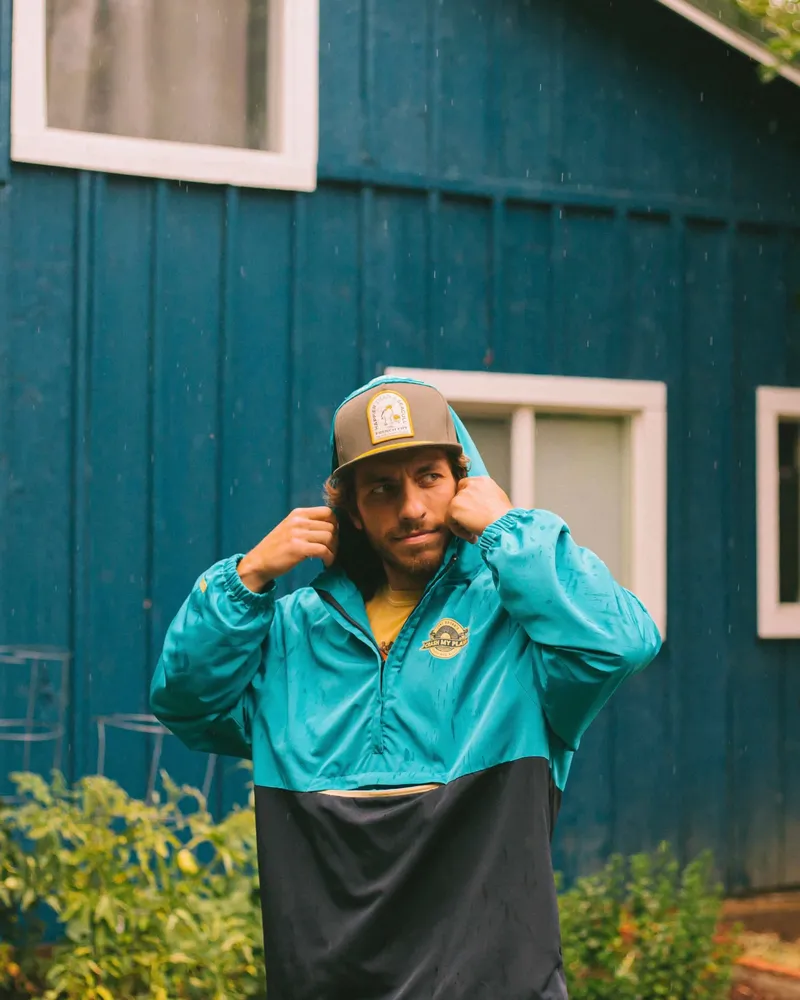
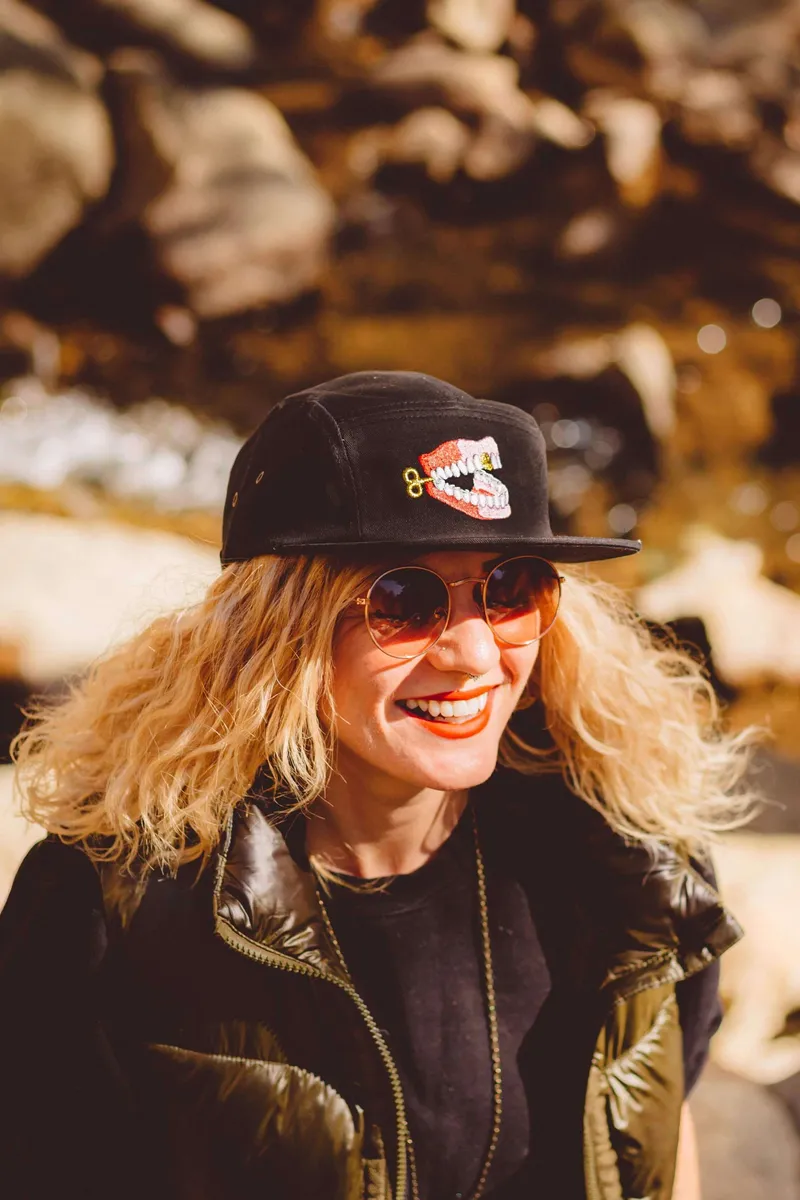
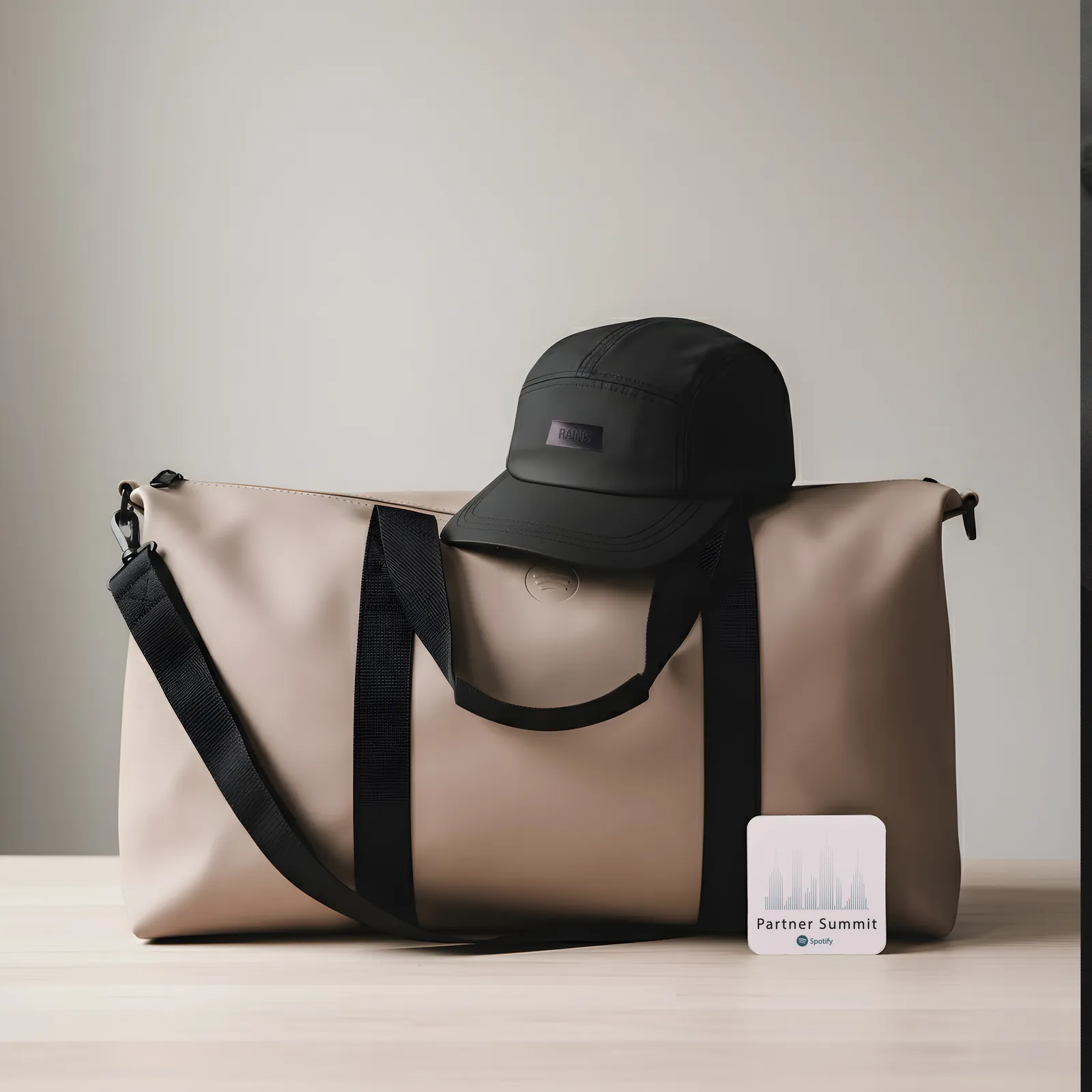
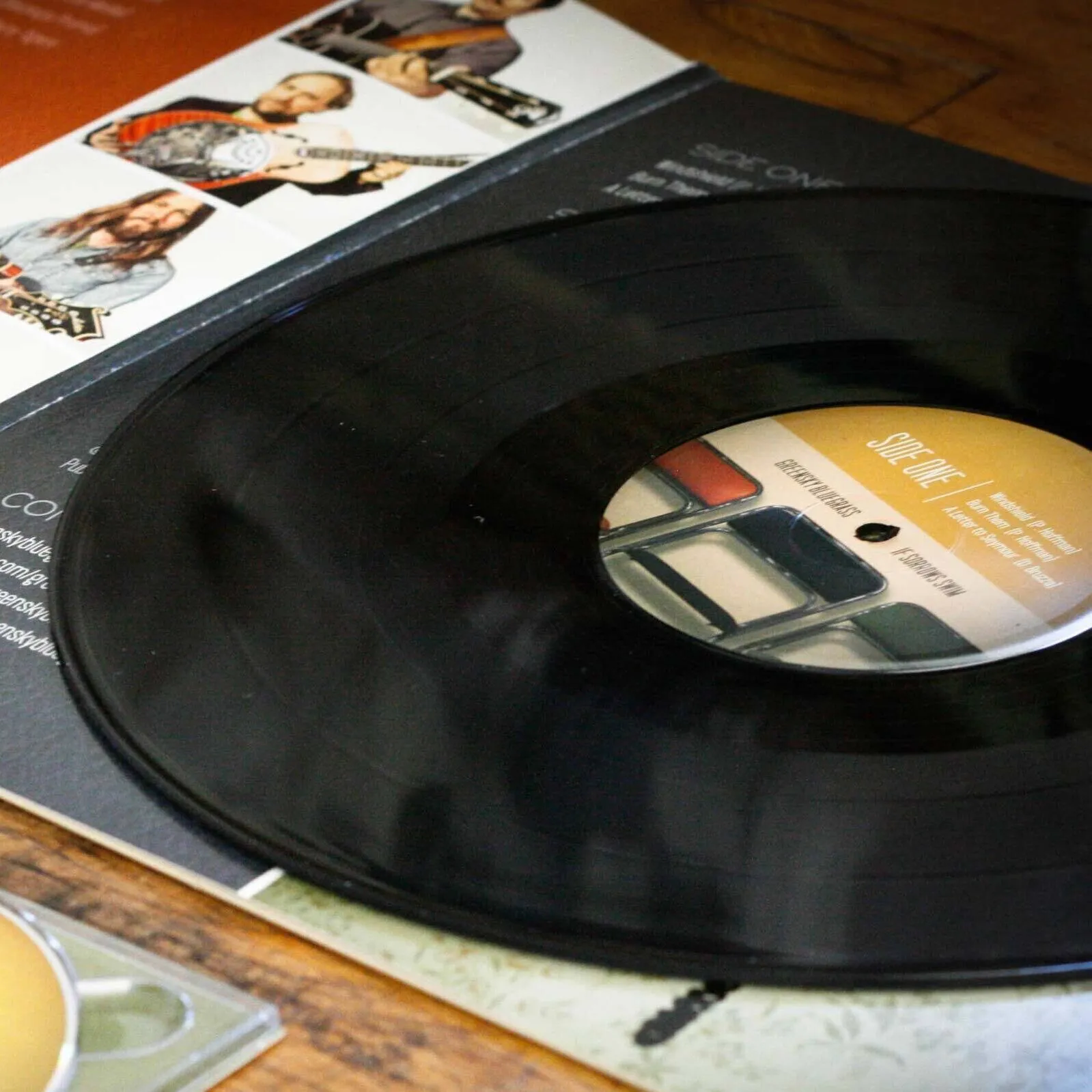
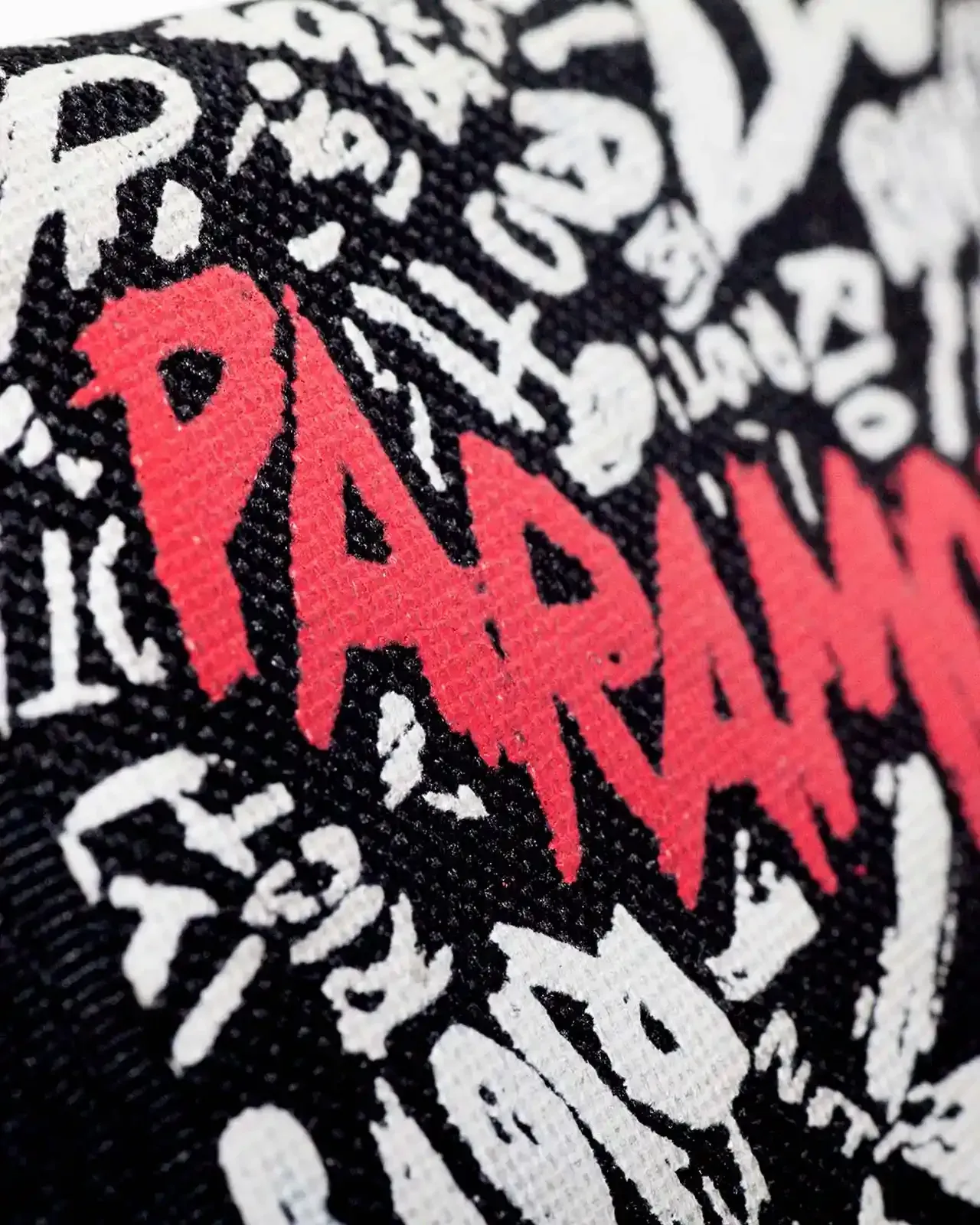
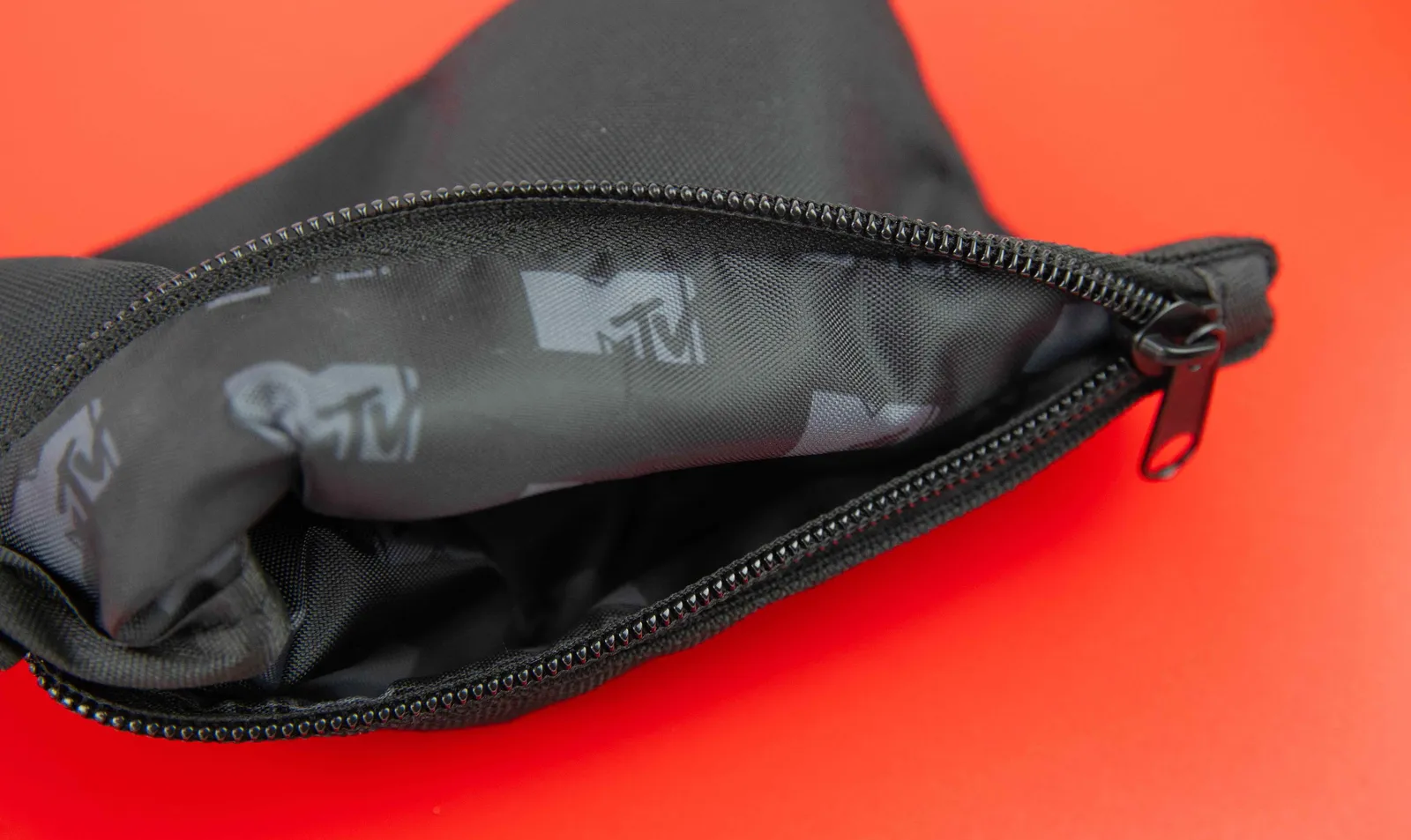
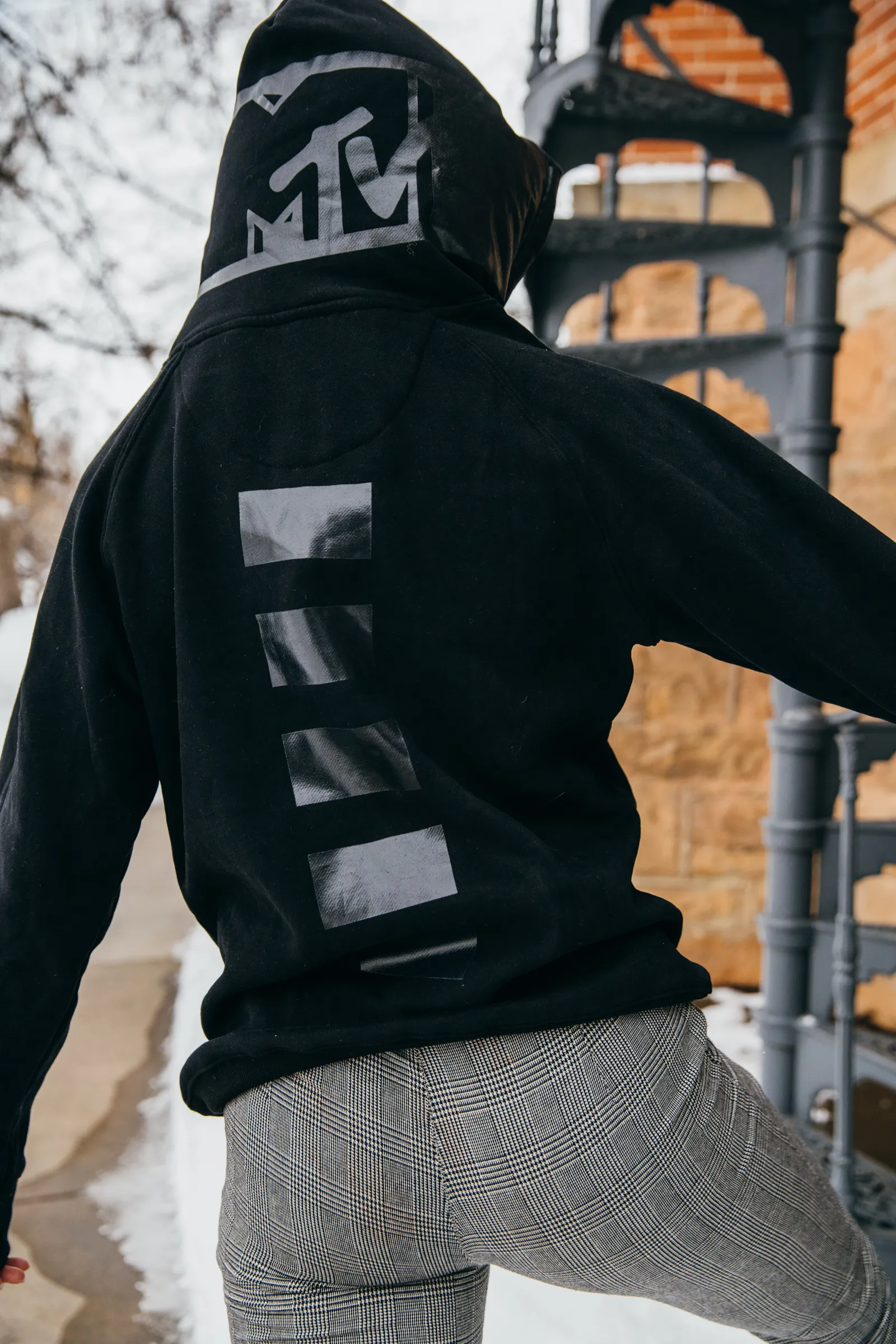
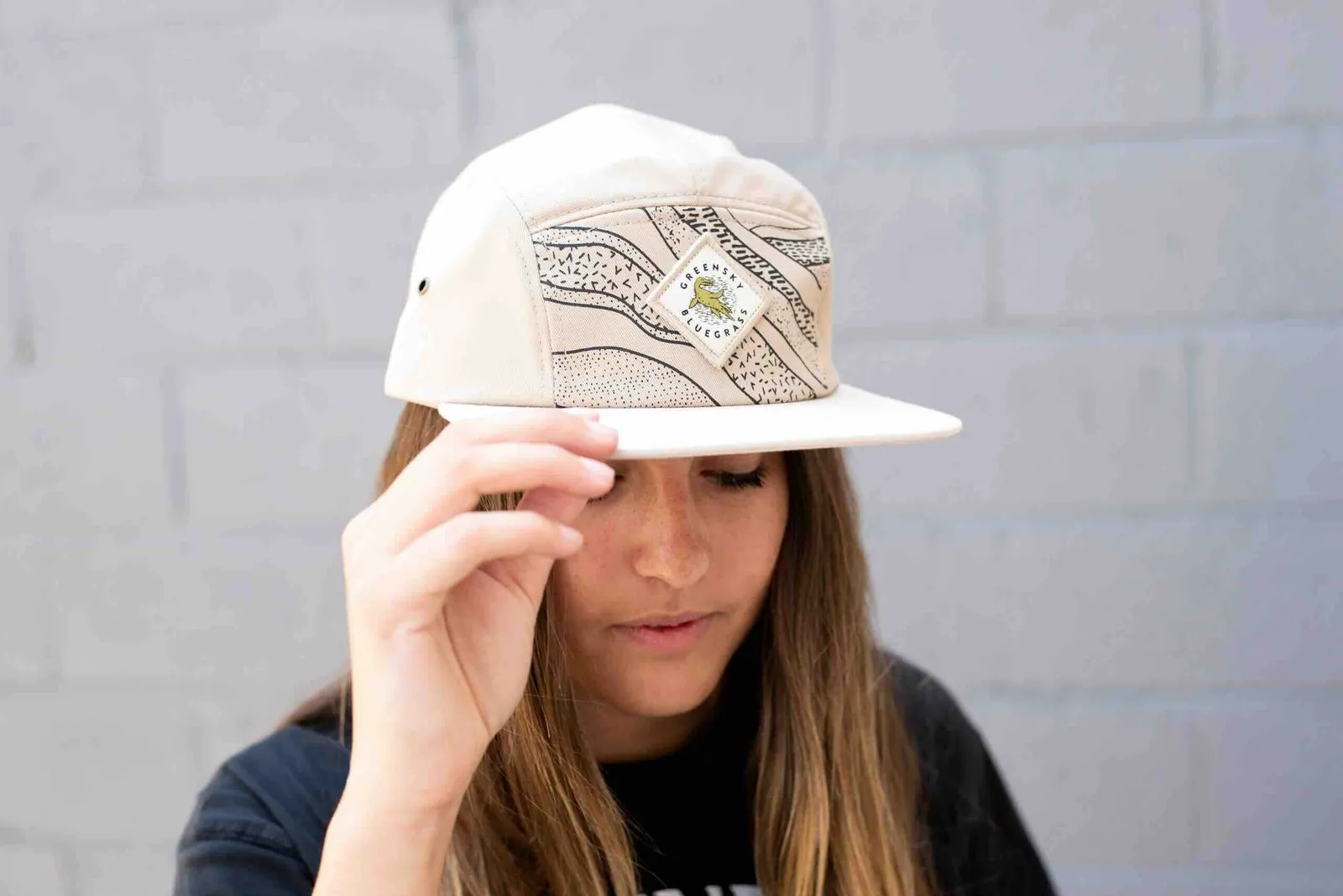
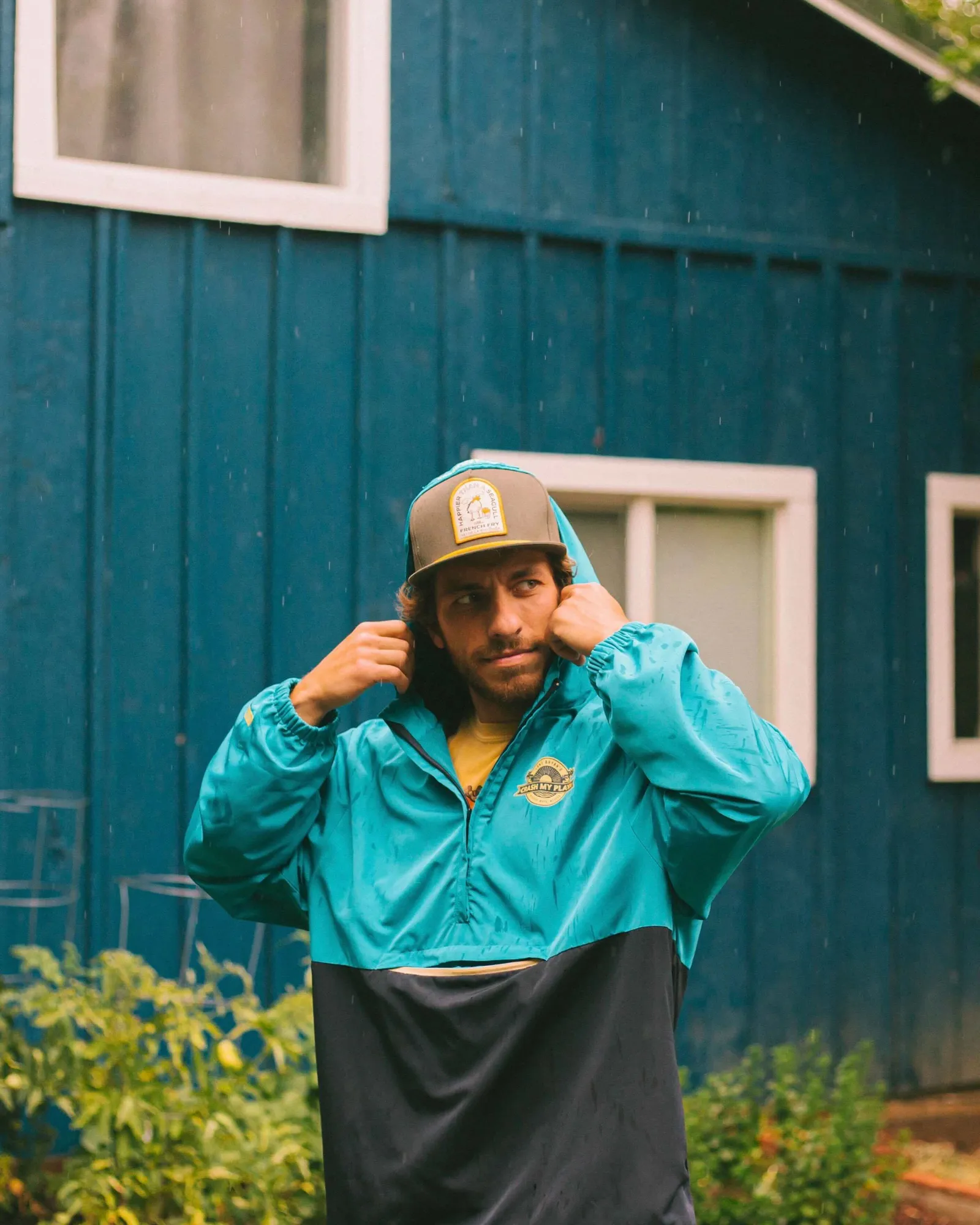
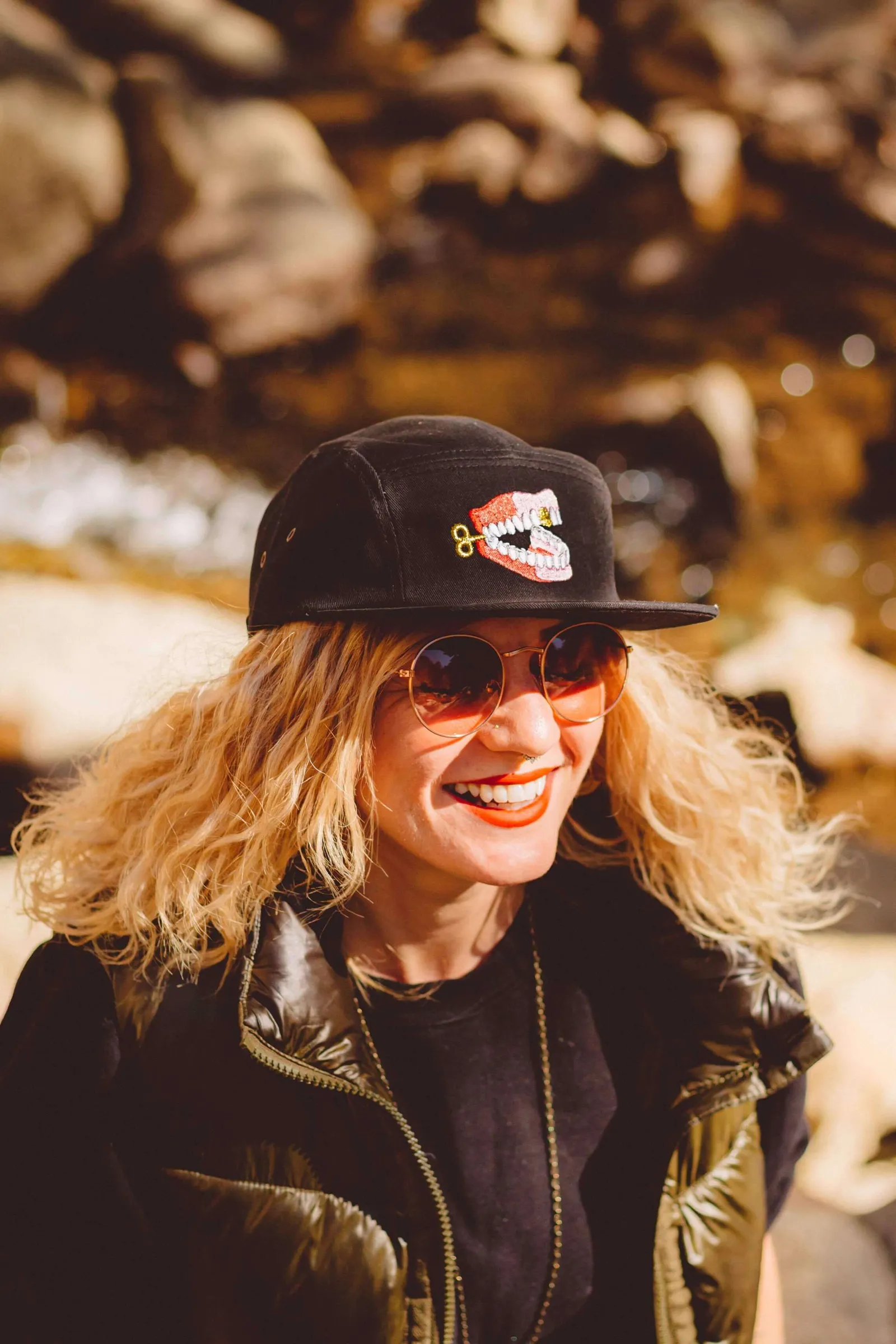
From brand strategy to physical touchpoints
Artist and band merch design
Merchandise is where brand identity becomes revenue. A well-designed collection deepens fan connection and drives sales at the merch table and online. Our custom apparel design process moves from concept through colorway selection to production-ready files, with co-branding options across 50+ premium labels.
Tour branding
Live shows are the highest-density brand moment an artist has. Stage backdrops, merch table presentation, event apparel for crew and staff, and the physical merch fans carry home all work together. We design and produce 100% custom merchandise built for tours, with fulfillment options that scale from a regional run to a full arena cycle.
Record label brand strategy
A label’s identity has to hold together across a diverse roster without flattening every artist into the same aesthetic. We develop label logo systems, brand guidelines for consistent sub-brand architecture, and merchandise programs that let individual artists express their identity within a unified label framework.
Streaming and digital brand consistency
Physical brand decisions determine how an artist looks on Spotify, Apple Music, social media, and in press coverage. We design with multi-platform consistency in mind so the same visual identity that works on a hoodie translates to a streaming profile, an EPK, and a promotional poster. Inconsistency across channels fragments fan recognition; a unified brand system compounds it.
Building a music merch collection that works as a brand system
A well-architected merchandise collection has an intentional structure that separates merch that sells out from merch that collects dust.
Collection architecture
Every strong merch drop has one or two hero pieces that anchor the collection visually, core staples that carry volume, and limited accessories that reward committed fans. Planning this structure produces a collection that feels intentional and drives a higher average transaction value.
Design system thinking
Cohesive merch collections reuse visual motifs, color relationships, and graphic language across products rather than treating each item as a standalone design. A consistent design system means a fan can buy a tee at a show and a hat online six months later and still feel like they’re part of the same world. Our merchandise design process builds this system before a single product goes to production.
Drop planning and release timing
Merch drops work hardest when they align with music releases, tour announcements, or cultural moments. A collection designed around a specific album cycle generates far more engagement than a standing catalog with no narrative. We plan drop timelines alongside brand development and production scheduling so everything lands when it has the most impact.
IP for music brands and merch
Before we produce your merch, confirm that you have the rights to commercialize your artist name, logo, and original graphics on physical products. Most artists don’t do this before a label does it for them.
Sort out these details with your entertainment attorney before launching a merch program:
Once your rights are clear, we handle everything from design through fulfillment.
Artist gifting and industry relationship programs
Music brands use gifting for fans and industry relationships. We design and fulfill gifting programs across a range of music industry scenarios:
All programs can include custom packaging design, branded inserts, and direct dropshipping to multiple addresses so you’re not managing fulfillment in-house.
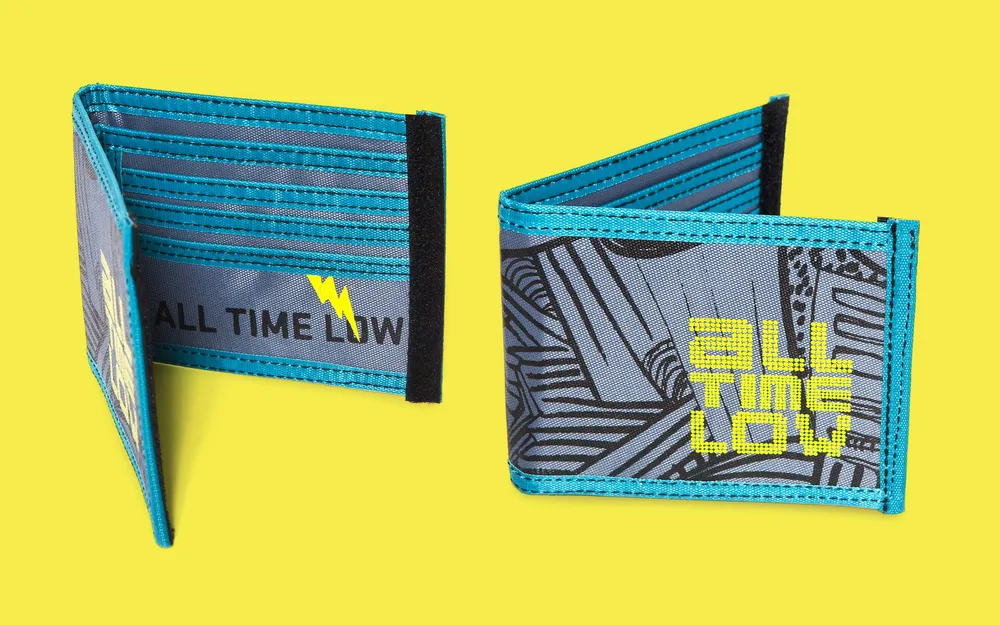
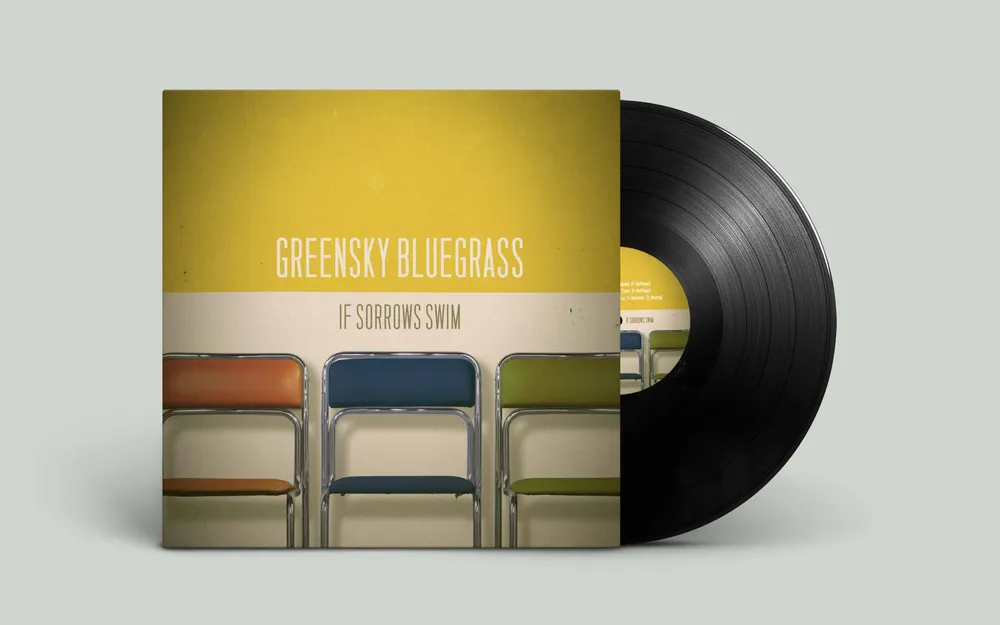
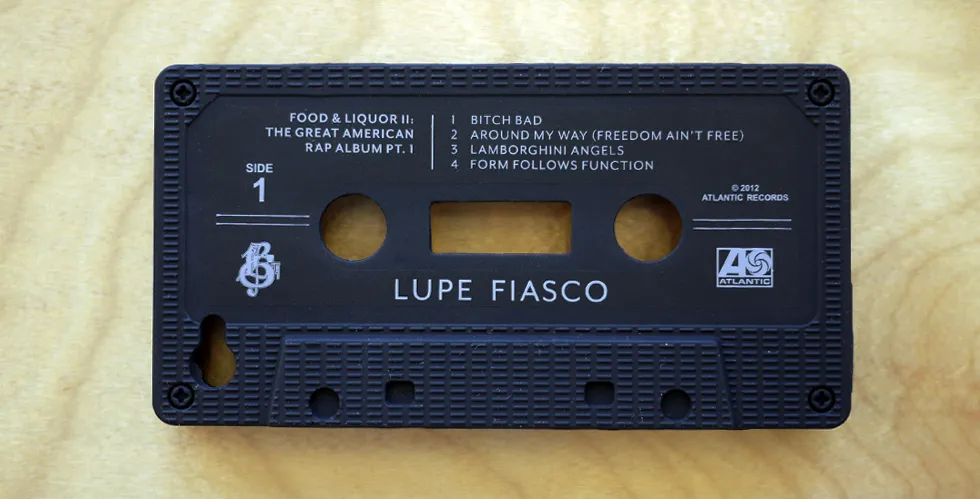
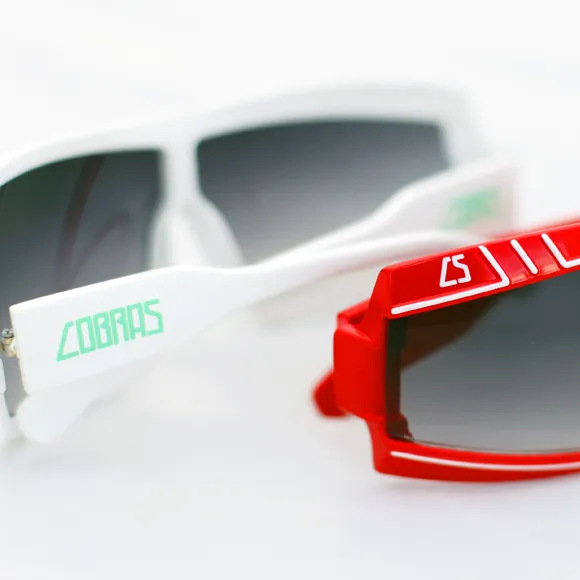
Finished music branding projects
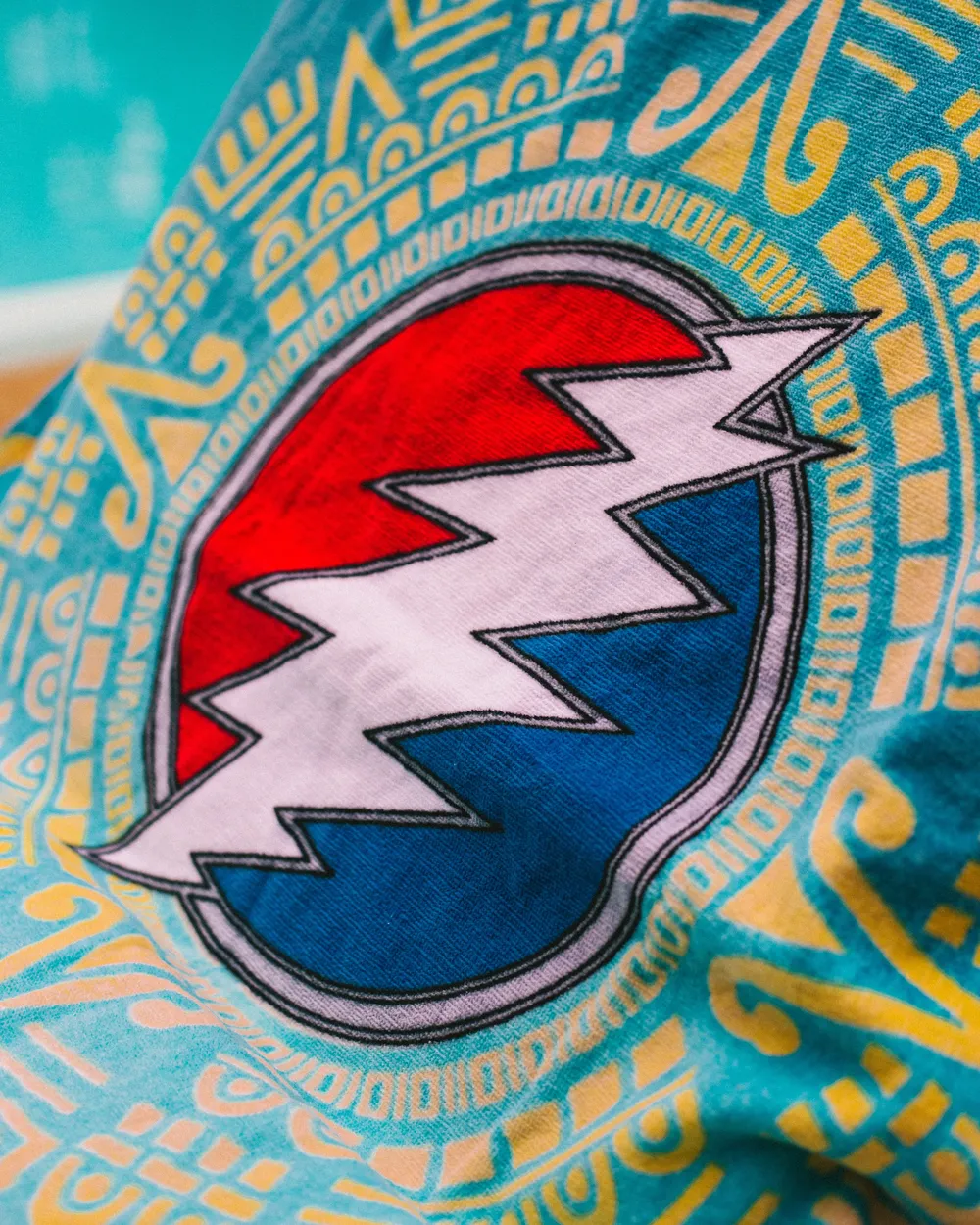
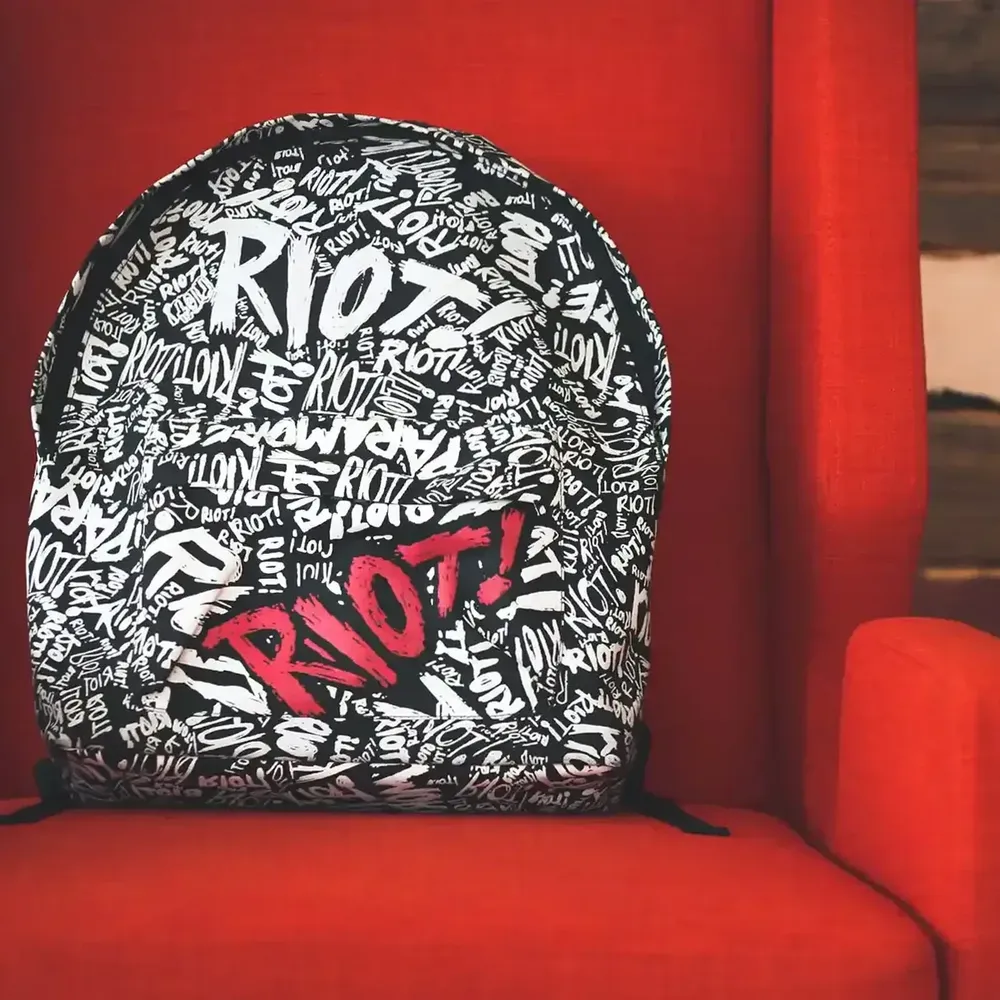
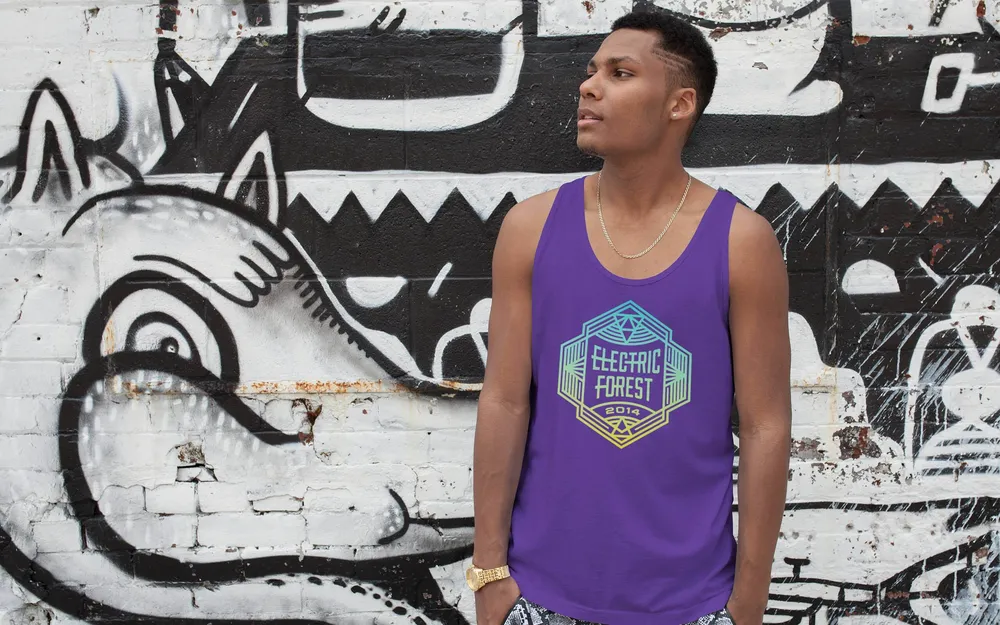
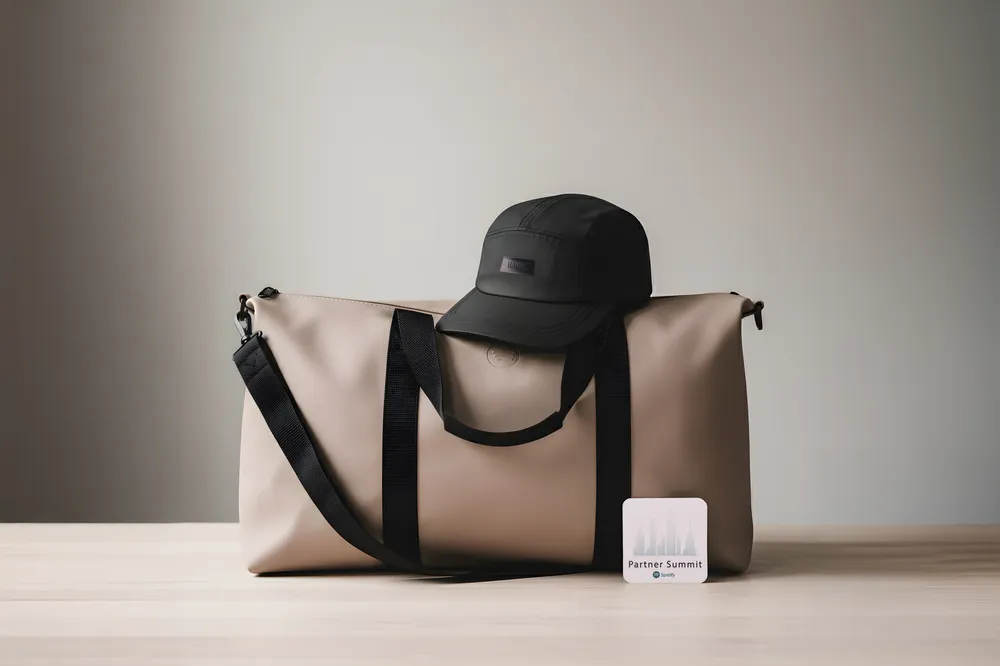
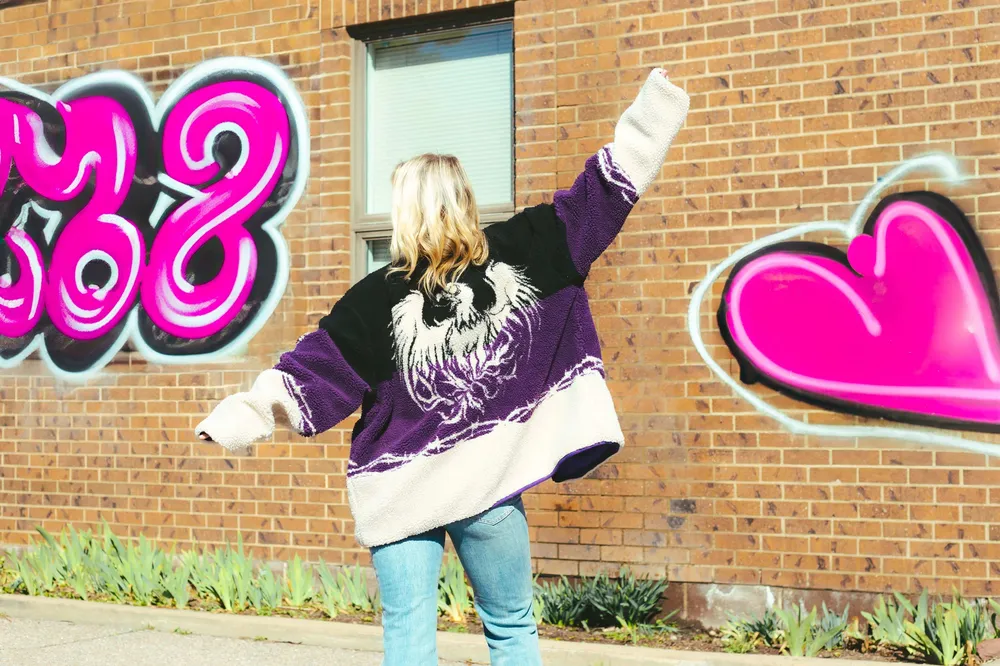
Music branding FAQs
Why is branding important for musicians?
Fans form emotional attachments to the full aesthetic of an artist. A cohesive visual identity builds recognition, signals professionalism to industry gatekeepers, and creates a framework for merchandise that fans actually want to own. Artists with strong brand systems convert casual listeners into committed fans more reliably than those with inconsistent or generic visual presentation.
How is music branding different from music marketing?
Marketing drives attention to your playlists, ads, and press campaigns. Branding is the identity system that makes that attention stick and compound over time. Marketing brings people to your profile; branding determines what they find when they get there and whether it’s memorable enough to share. The two work best in parallel.
Which premium brands can I co-brand music merch with?
Anthem’s brand partnerships give you access to 50+ premium labels for co-branded merch, including New Era headwear, Carhartt workwear-inspired apparel, Bella Canvas tees, and Vans shoes.
Can branding help independent musicians grow?
Independent artists who invest in a clear brand identity and a well-designed merchandise program grow more sustainably than those who rely solely on platform algorithms. A strong visual identity supports press coverage, playlist pitching, and social sharing, all of which are harder to achieve without a professional, consistent presentation.
What types of music merch can you produce?
Most artist and label merch programs are built around a core set of high-demand product categories:
- Tees, hoodies, and sweatshirts
- Hats: snapbacks, dad hats, beanies, and more
- Jackets, vests, and outerwear
- Joggers and sweatpants
- Tote bags, backpacks, and duffels
- Socks and accessories
- Drinkware: water bottles, tumblers, and cans
- Vinyl and physical media packaging
- Posters, art prints, and limited-edition collectibles
- Custom cut-and-sew garments built entirely to your specs
If you have a product concept that isn’t on this list, reach out. Our team can source products beyond standard catalog options.
What decoration methods work best for music merch?
Decoration method depends on the product, the design complexity, and the order volume.
- Screen printing delivers bold, high-impact graphics at scale, the standard for tour tees, hoodies, and high-volume drops.
- Custom embroidery adds a premium, tactile finish to hats, jackets, and bags that withstands heavy use.
- Sublimation printing handles all-over designs and performance fabrics where standard printing methods can’t reach.
- Custom patches work well for limited-edition drops and collectible details that reward dedicated fans.
- Heat transfer and DTF are practical for small runs, specialty graphics, and stretch fabrics.
We can combine methods across a single collection, or across a single garment, for designs that stand apart from standard merch.
How long does a music merch collection take to produce?
Production timelines depend on the product type and construction method:
- Standard decorated products (screen-printed tees, embroidered hats, hoodies): 30 – 35 days from artwork approval
- Custom cut-and-sew garments built to original specs: 12 – 18 weeks from design finalization
- Rush production: Available for qualifying orders on standard decorated products
Artists planning around a tour start date or album release should begin the production conversation at least 10 – 12 weeks in advance to leave room for design approvals, revisions, and contingency.