Screen printing vs sublimation printing
- Home
- Sublimation printing
- Screen printing vs sublimation printing

Screen printing vs sublimation printing
We’ll explain how screen printing and dye sublimation work and when to use them so you can create promotional products that look great, match your brand, and last a long time.
Screen printing
Best for
Bulk orders, dark fabrics, bold designs
Works on
Cotton, polyester, blends, wood, metal, glass
Color options
Best with 1 – 4 spot colors
Durability
Highly durable, ink bonds to surface
Texture
Slight raised feel where ink sits
Setup costs
Higher upfront, economical for 44+ units
Design complexity
Best for bold, simple graphics
Dark fabrics
Excellent, opaque inks cover any color
Breathability
Slight reduction where ink is applied
Typical uses
T‑shirts, workwear, tote bags, promotional items
Sublimation printing for promotional products
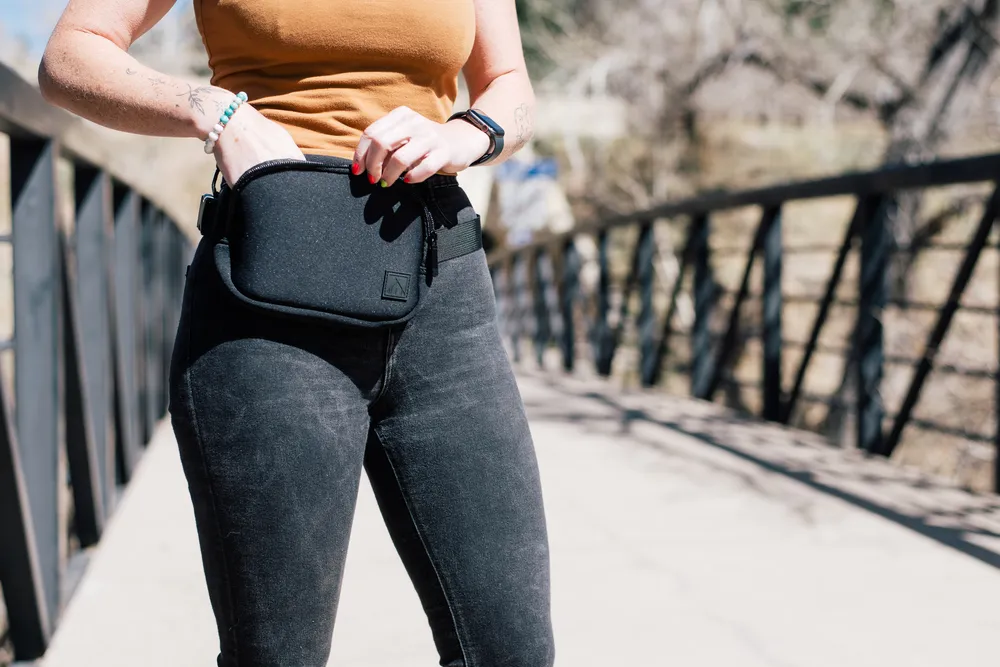
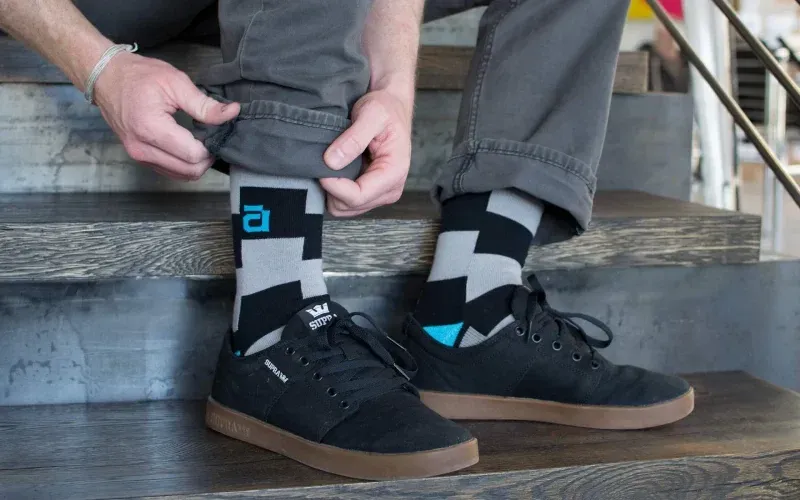
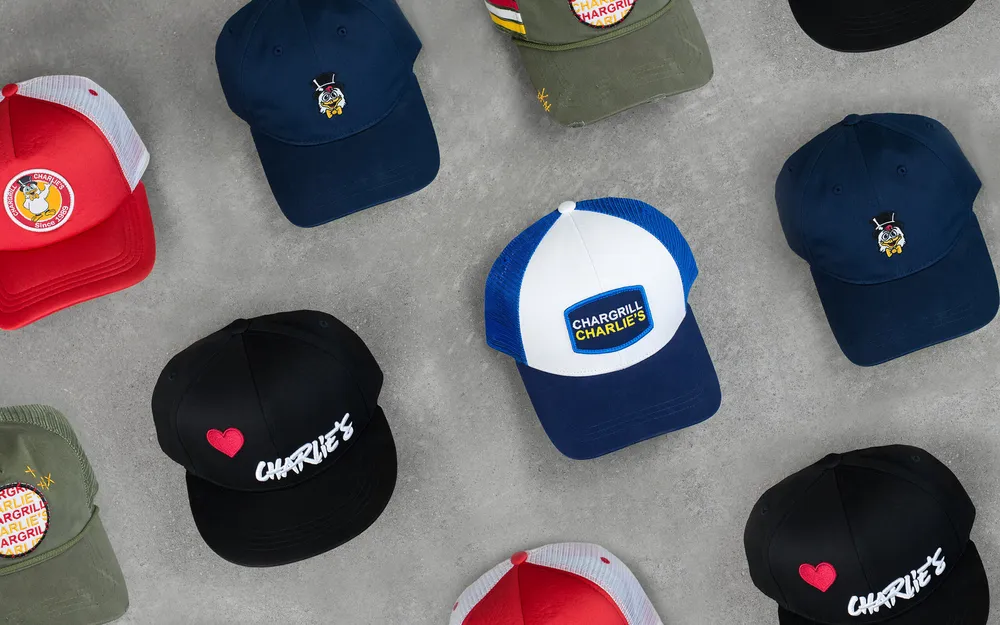
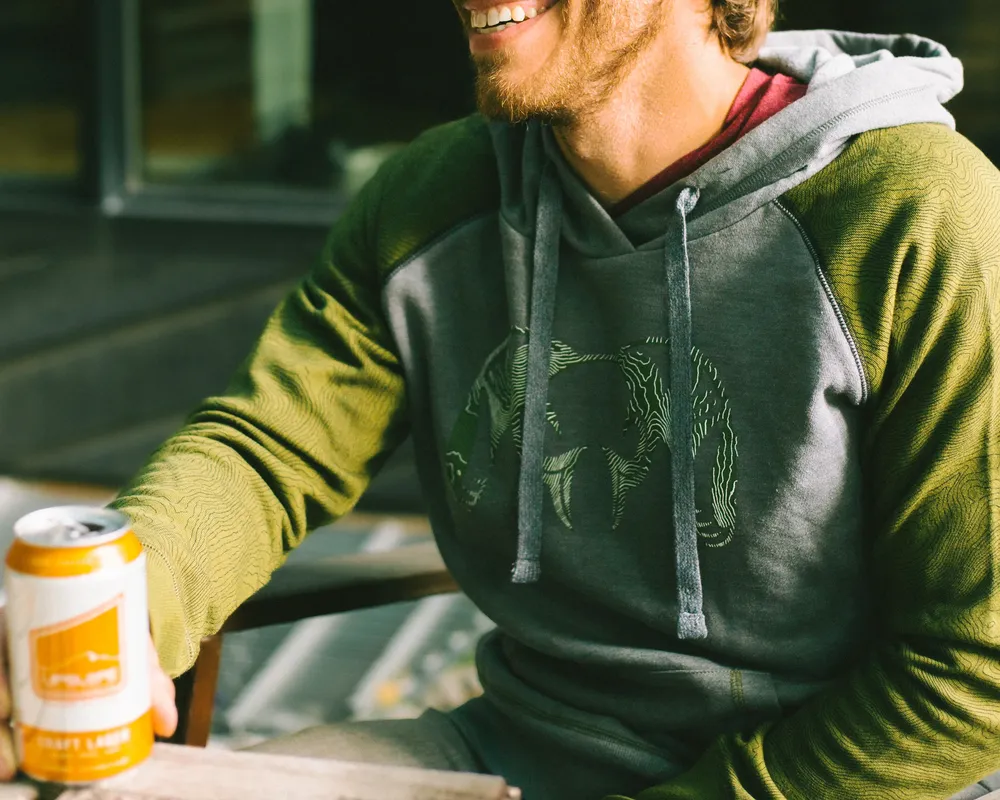
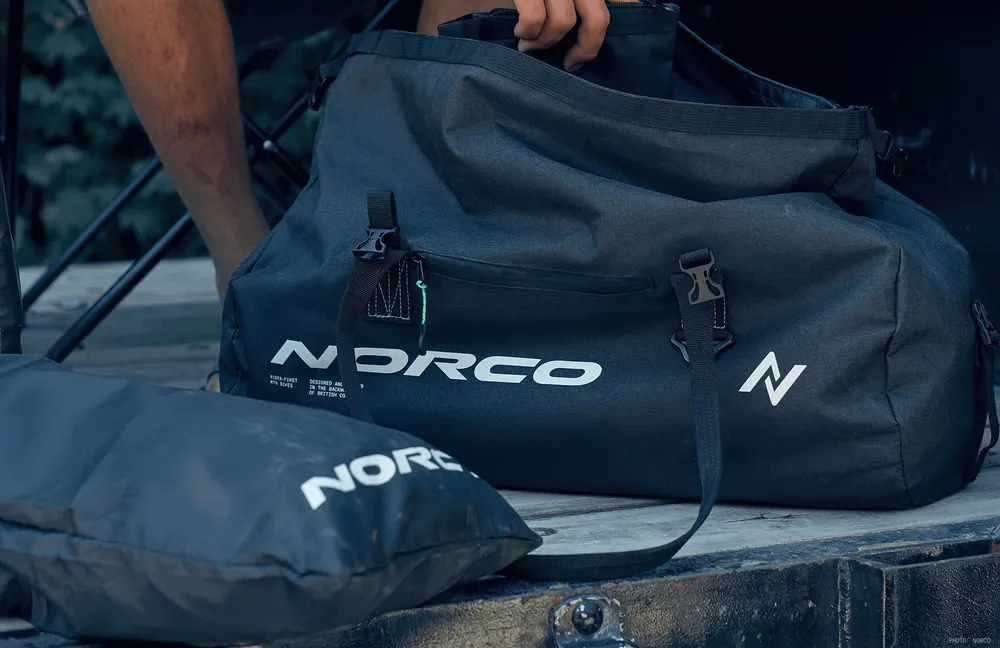


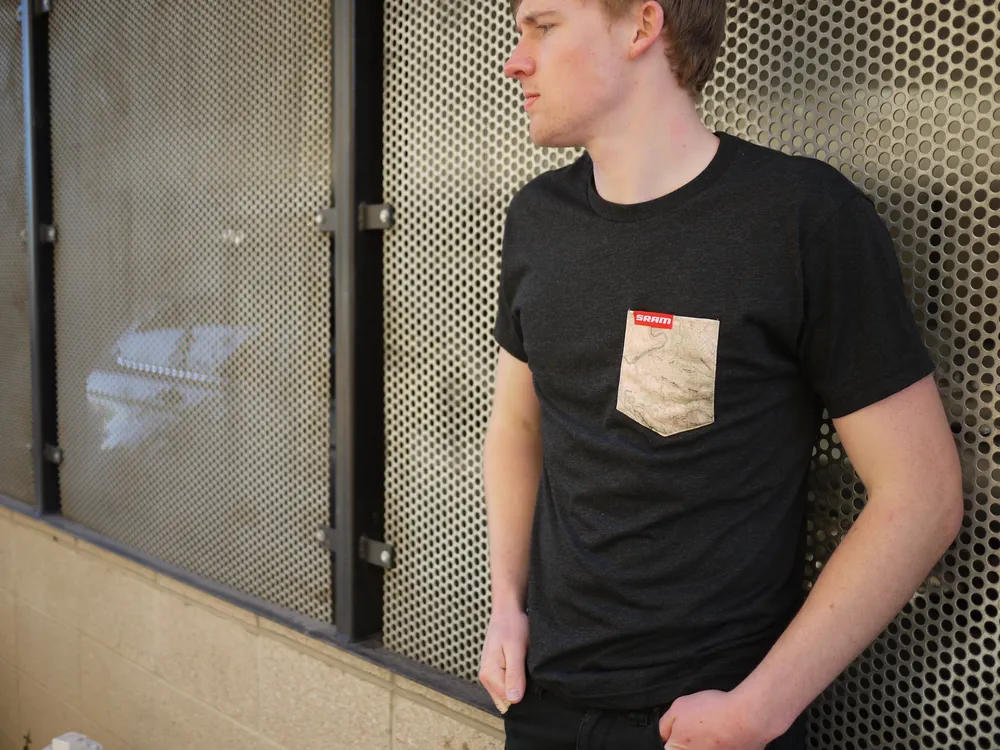
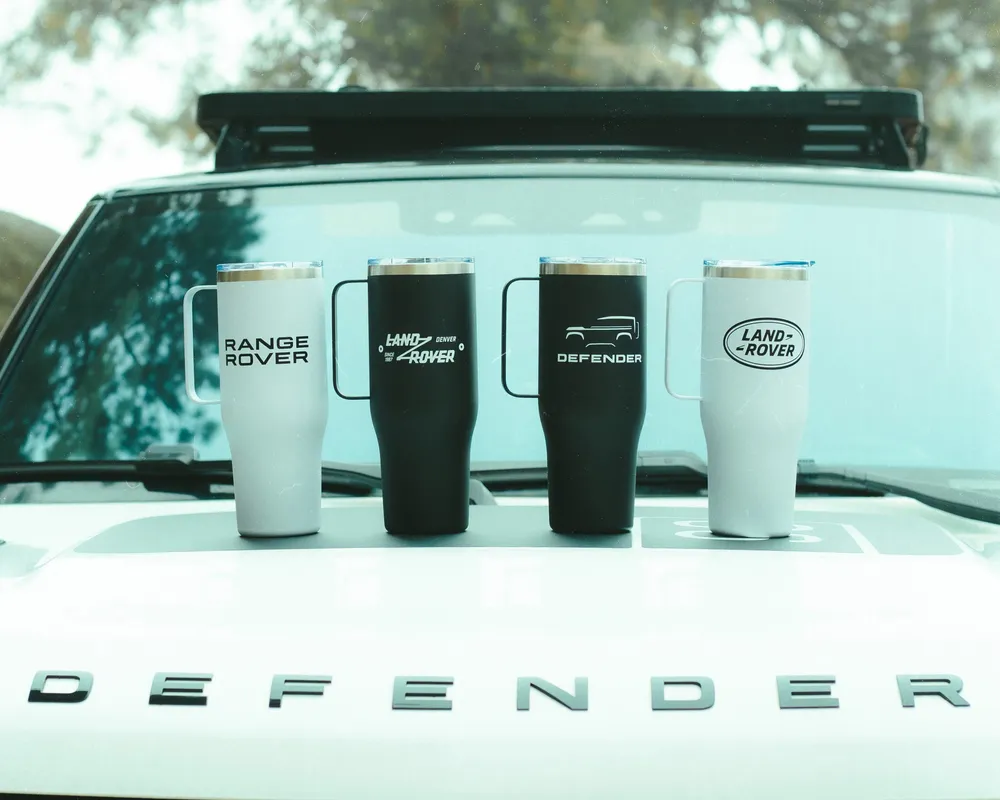
Sublimation printing
Best for
Small batches, polyester, photorealistic images
Works on
Polyester, high-poly blends, polyester-coated materials
Color options
Unlimited colors, full photorealistic capability
Durability
Permanent, embedded in fabric, never cracks or peels
Texture
Zero texture, smooth-hand feel
Setup costs
Minimal setup, cost-effective for small runs
Design complexity
Best for gradients, photos, all-over prints
Dark fabrics
Not recommended, transparent dyes need light backgrounds
Breathability
Full breathability maintained
Typical uses
Athletic wear, jerseys, custom socks, tech apparel
All you need to know: sublimation vs screen printing
What is screen printing?
Screen printing involves pushing ink through a mesh screen onto fabric or other surfaces. The mesh screen is a stencil that blocks out certain areas and lets ink pass through the open spaces.
The process starts with creating a stencil on the screen. At home, you can cut paper stencils by hand. Professional operations use photo emulsion, which produces the most accurate reproductions of your artwork. Light-sensitive emulsion gets coated onto a screen, exposed to light through your design transparency, and then washed away where the light didn’t hit.
Once the stencil is ready, a squeegee pushes ink through the open areas of the screen onto your product. Each color requires a separate screen and pass, so multi-color designs take more time and setup.
Screen printing works on almost any flat surface, including T‑shirts, hoodies, posters, wood, metal, and more. The ink sits on top of the material, creating an opaque layer that shows up vividly on even dark fabrics.
What is sublimation printing?
Sublimation embeds the design into the material itself. During the process, ink transforms from a solid directly to a gas when heated, skipping the liquid stage. This gas bonds with polyester fibers at a molecular level, becoming part of the fabric rather than a layer on top of it.
The process involves printing the design in reverse using sublimation ink on special transfer paper. The ink dries for about 30 seconds to prevent smearing. We tape the paper to the product to prevent shifting. Then, we apply heat and pressure using a heat press.
After pressing, we remove the paper without rubbing it against the surface, since remaining ink can create ghosting or double images. The result is a chemically bonded, sharp design.
The differences between sublimation and screen-printed products
Color vibrancy and detail
Sublimation transfers photorealistic images with unlimited colors and smooth gradients. Since the dye becomes part of the fabric, you get rich, saturated colors that won’t crack or peel.
Screen printing produces bold, opaque colors that pop on any background. Since the ink sits on top of the fabric, screen-printed designs aren’t affected by fabric color.
Material requirements
Sublimation only works on polyester or polyester-coated materials. The dye bonds with polyester polymers, so natural fibers like cotton won’t hold the design. While sublimation works with poly-blends, the design may fade.
Screen printing works on cotton, polyester, blends, wood, metal, glass, and almost any flat surface.
Durability and wear
Both methods create long-lasting designs. Sublimated designs never crack, peel, or fade because they’re embedded in the fabric. The print moves with the material and breathes naturally.
High-quality screen-printed designs withstand countless washes and daily wear. The ink creates a strong bond with the surface. Low-quality screen printing is well-known to peel, crack, and degrade, so choose a reputable custom apparel company.
Cost and order size
Screen printing requires advanced setup that includes creating screens, preparing inks, and calibrating equipment. This makes it less economical for small batches. However, once prepared, the per-unit cost drops significantly for large orders. Bulk orders become increasingly cost-effective.
Sublimation has minimal setup costs. Print what you need, when you need it. This flexibility works well for smaller quantities, custom one-offs, or corporate gifts with multiple design variations.
Design flexibility
Sublimation can handle all-over prints, photographic images, and designs with countless colors. You can print anything you can imagine on custom hats, jerseys, or accessories.
Screen printing creates vivid spot-color designs, bold graphics, and text. While you can create gradients and blends, each additional color adds a screen and increases cost. It’s better to stick with clean, impactful designs that use 1 – 4 colors.
Texture and feel
Sublimated prints have zero texture. Since the dye becomes part of the fabric, nothing sits on top. Custom shirts, athletic wear, and performance apparel maintain their breathability and stretch.
Screen-printed designs add a slight layer of ink to the surface. You can feel the design, especially with thicker inks. This texture gives prints a premium, tactile quality that many brands prefer for statement pieces.
What is better, screen print or sublimation?
Choose screen printing for:
- Large bulk orders
- Cost-efficiency
- Dark or natural fabrics
- Bold, simple designs
- Durability-focused items
Choose sublimation printing for:
- All-over designs
- Polyester products
- Unlimited color additions
- Small batches or custom variations
- Soft, breathable prints
Combine customization methods for maximum impact
You don’t have to choose between screen printing and sublimation. Multi-technique customization lets you create truly unique products without compromise. Imagine a screen-printed sweatshirt with your logo boldly placed in the center with an all-over sublimated pattern.
At Anthem Branding, you can do that and a lot more. From deeper customization, like embroidery and patches, to stitch-and-sew apparel built from the ground up. You pick the materials, the brand, the cut, and the design, and we bring your idea to life.
We’ve helped hundreds of brands define themselves through amazing custom promotional products. Whether you just want some custom T‑shirts for a company event, or you’d like help with logo design, merchandise design, brand development, or other branding services, you’re in the right place.
Discover how we can help with custom sublimation projects. Speak to one of our brand consultants today!
Customization methods FAQs
Which method lasts longer?
Both create durable designs when properly executed. Sublimated prints never crack or peel since they’re embedded in the fabric. Screen-printed designs form a strong bond with the surface and withstand regular wear with proper care.
Which method is better for corporate branding?
Both work beautifully for corporate branding. Choose screen printing for cotton polo shirts, workwear uniforms, and bulk promotional items. Use sublimation for athletic apparel, all-over branded designs, and polyester products with complex graphics.
Can these methods be combined on one product?
Anthem Branding lets you combine customization techniques to create wildly unique apparel and promotional products. We can mix sublimation and screen printing, embroidery, custom patches, or any other customization detail you like.